
2503 Results
Filters
Gender
Placement
Style
2503+ Sinful Tattoo Ideas
A “sinful tattoo idea” often depicts themes intertwined with indulgence, temptation, and the darker aspects of human nature, Classic motifs include elements such as serpents, fallen angels, seductive figures, and symbols associated with various sins like gluttony or lust, These designs invite a deeper contemplation of morality while embracing the allure of the forbidden, With an aesthetic that embraces what is considered taboo, these tattoos find a unique expression in the realm of body art, attracting those who wish to showcase a more rebellious or complex side of their personality through thoughtful “tattoo ideas”, Historically, the concept of sin has been widely represented in various cultures through art and literature, The origins of these “sinful tattoos” can be traced back to religious iconography where figures representing sin were illustrated to warn against moral failings, For instance, medieval art often depicted demons and other symbols of vice, while more modern iterations interpret these themes in a more personal and visually striking manner, allowing individuals to inhabit their own definitions of sin and salaciousness, Symbolically, these tattoos can represent personal battles with temptation, freedom from societal norms, or an embrace of one’s unique identity, For some, they serve as reminders of lessons learned from past struggles, signaling a personal commitment to navigating life’s complexities, The imagery chosen can convey rebellion, sensuality, or acceptance of one’s darker inclinations, making them powerful declarations of individuality, As tattoos continue to evolve in meaning and presentation, they resonate deeply with those who see them as personal emblems of liberation or defiance, In terms of artistic style, sin-themed tattoos can be rendered in various techniques, Neo-traditional and realism styles are particularly popular, as they offer a vivid and detailed representation of sin-related imagery, allowing for impactful storytelling, Black and grey tattoos, on the other hand, can create deep contrasts that emphasize the evocative nature of the design, while watercolor techniques can infuse a sense of whimsy and emotion into otherwise dark symbols.
Each style contributes its own flair, and the choice depends greatly on the wearer's personality and the message they wish to convey through their body art, Suitable placements for these “sinful tattoos” vary, although certain areas often enhance their visual impact and personal significance, The forearm or upper arm serves as prominent canvases, allowing for visibility and discussion, Meanwhile, the back provides ample space for larger, intricate designs, making a bold statement that can be revealed or concealed at will, Areas like the chest or thigh can also evoke intimacy and sensuality, perfect for designs that explore themes of lust or desire, further aligning with the tattoo's underlying message, Creative variations of sinful tattoos are abundant; for instance, some may opt for whimsical interpretations of traditional symbols, incorporating elements of surrealism or new school aesthetics to create a more playful or exaggerated portrayal, Others might incorporate meaningful quotes or personalized symbols that reflect their understanding of sin, melding personal stories with iconic imagery, Tattoo artists often encourage clients to bring their ideas to life through collaboration, leading to truly unique expressions of what “sinful” means to each individual, Ultimately, these “sinful tattoo ideas” offer a potent blend of history, symbolism, and artistic innovation, They challenge the wearer and observer to contemplate the balance between good and evil, embrace their hidden desires, and celebrate the complexities of their own narratives through meaningful body art, As such, they stand as a testament to the enduring appeal of embracing the darker facets of human experience within the realm of tattoo art.
Create Your Own Sinful Tattoo
Design your very personal Sinful tattoo in seconds. Choose your style and create unlimited full sleeves, half sleeves, forearm tattoos, and more.

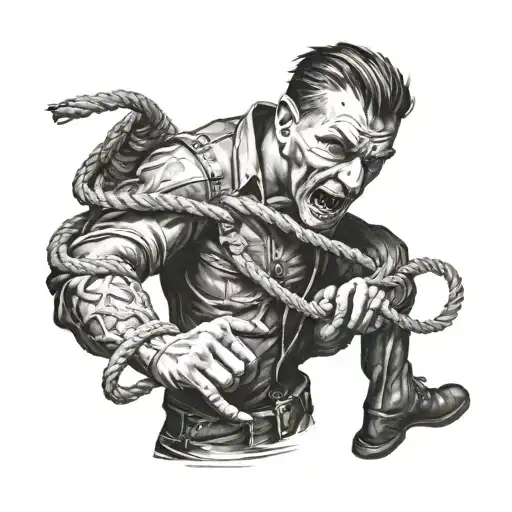
Sins Hold A Man With Ropes, But He...
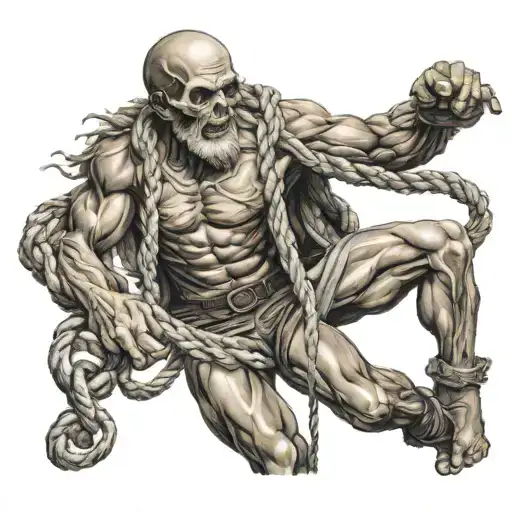
The Deadly Sins Hold A Man With Ropes...
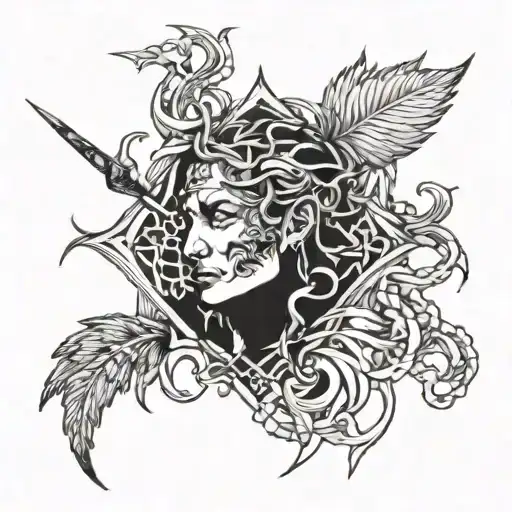
Tries To Move Forward But His Past Sins...
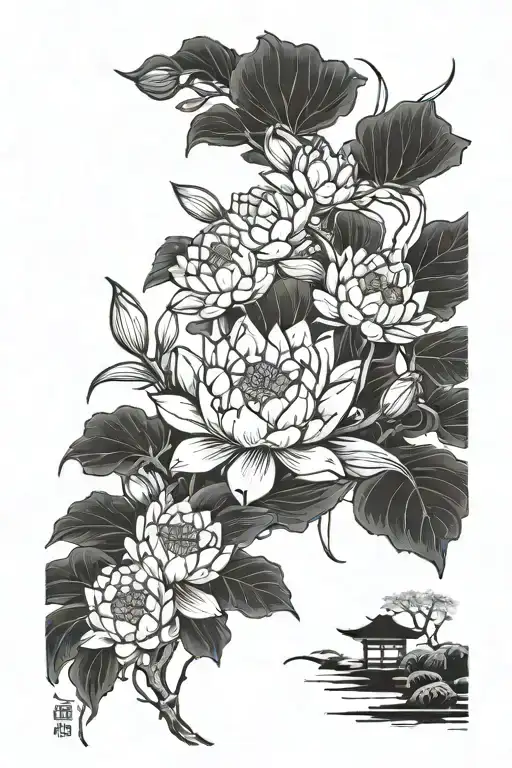
A Dead Animal From The Center Of A...
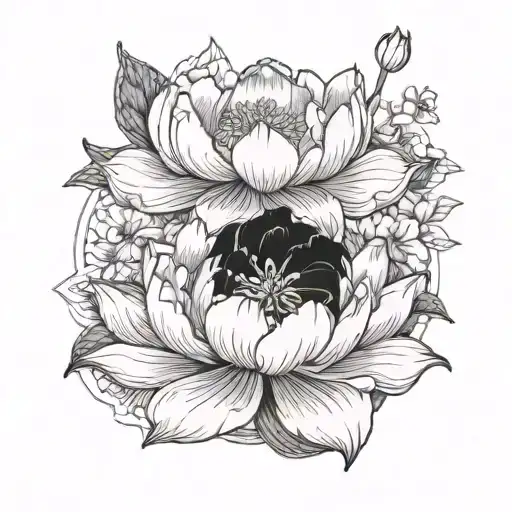
A Dead Animal From The Center Of A...
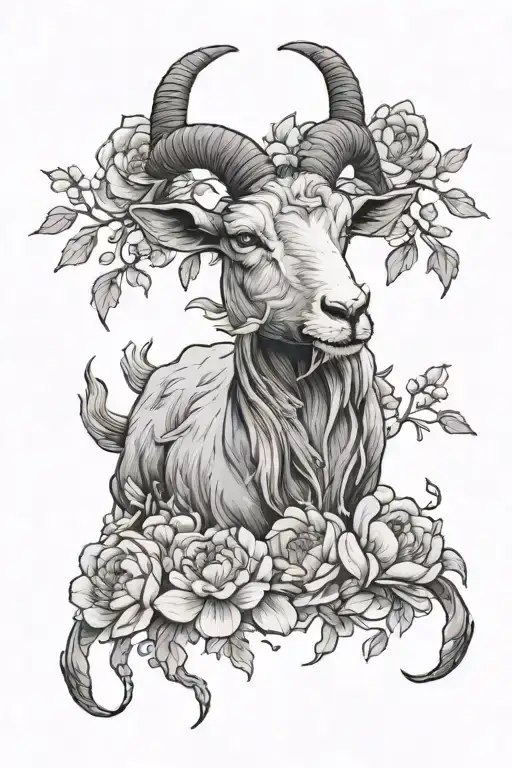
A Dead Goat From The Center Of A Lotus...
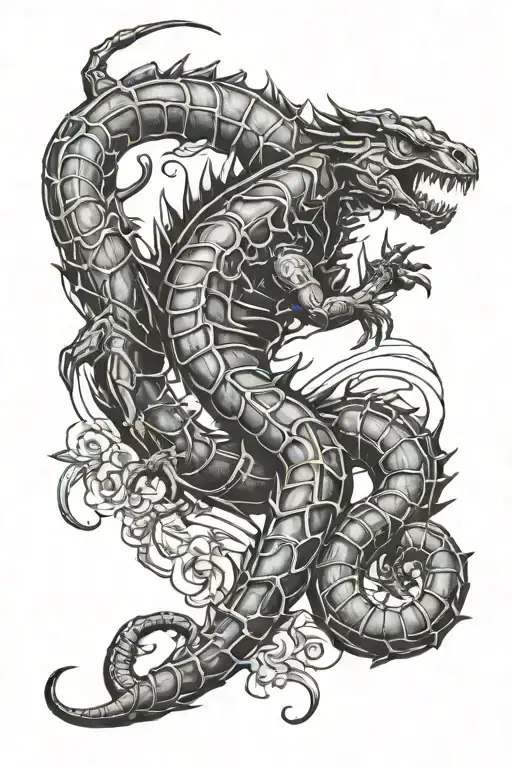
Scorpio + The Sin Of Greed
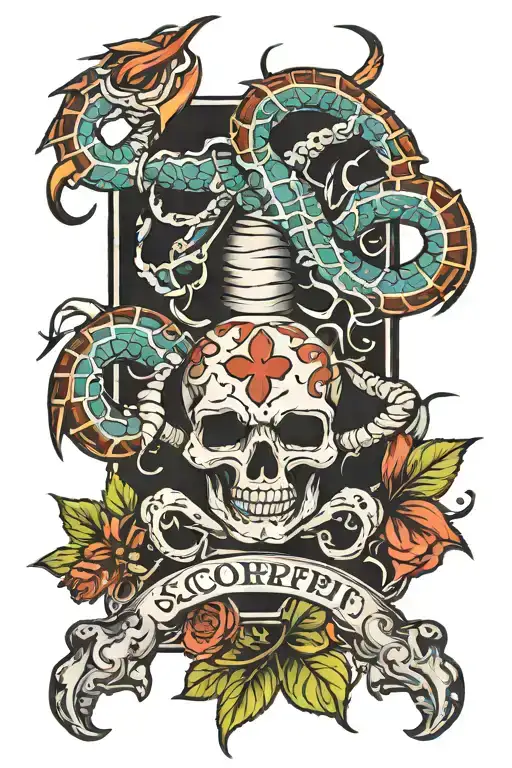
Scorpio + The Sin Of Greed
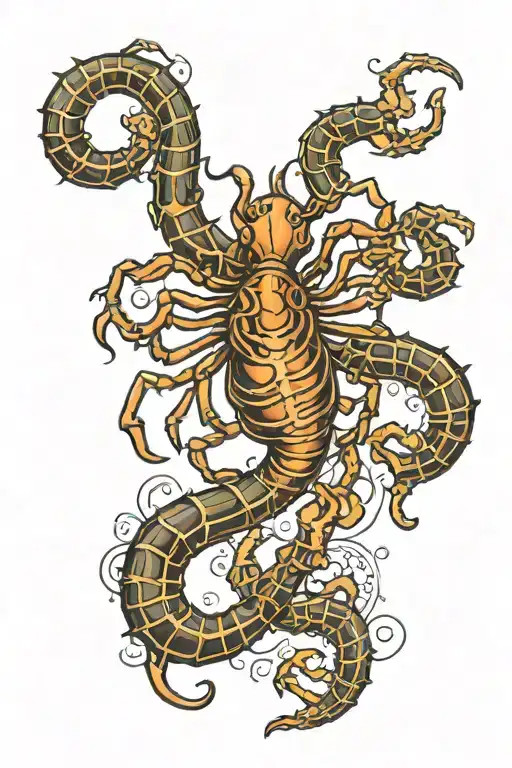
Scorpio + The Sin Of Greed
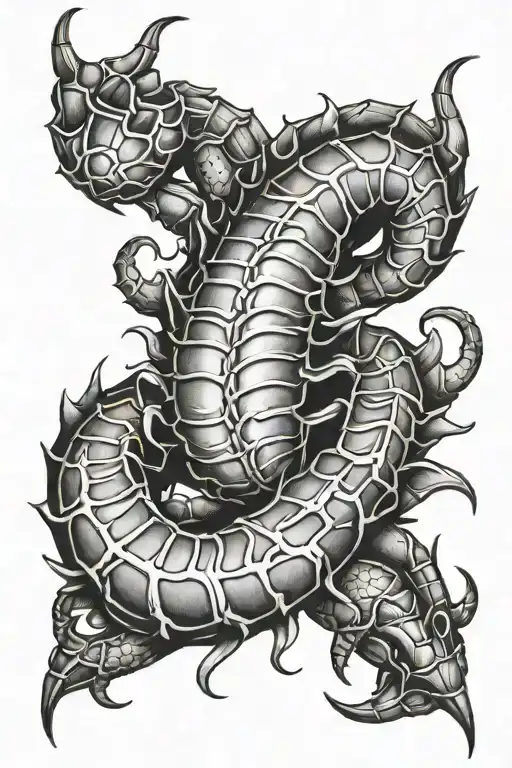
Scorpio + The Sin Of Greed
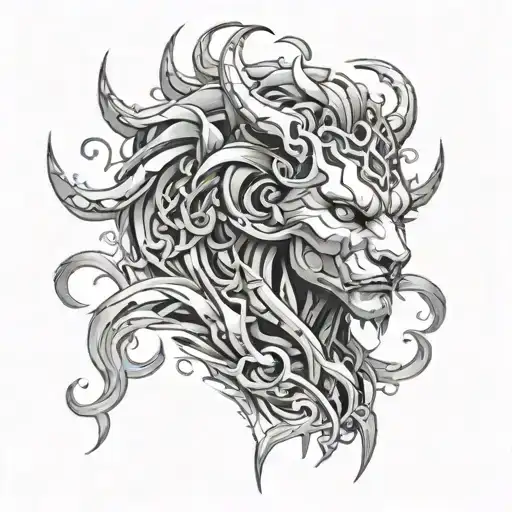
Cybersigilism Of The Pride Sin
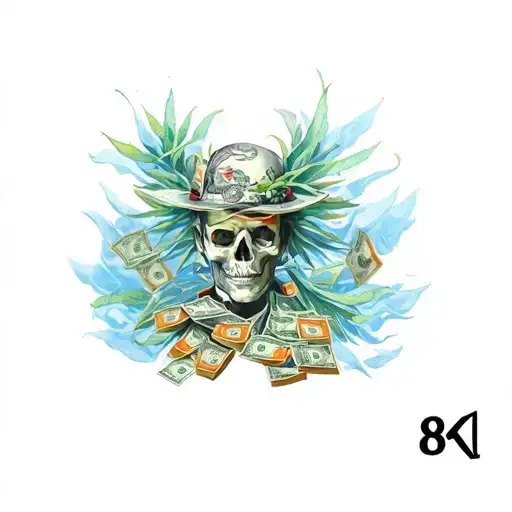
Sin Of Greed With Money
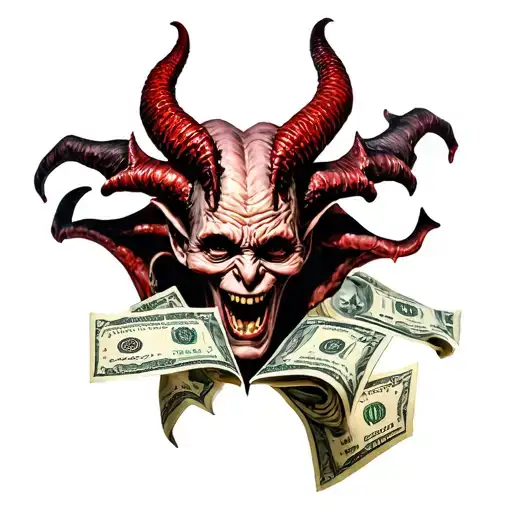
Satan Money Greed Sin
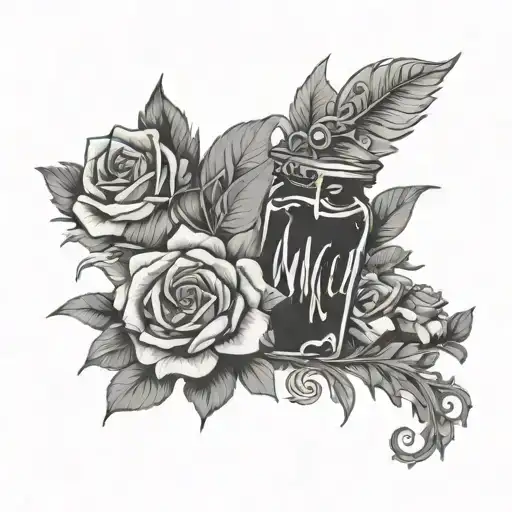
Juice Wrld Flaws And Sins
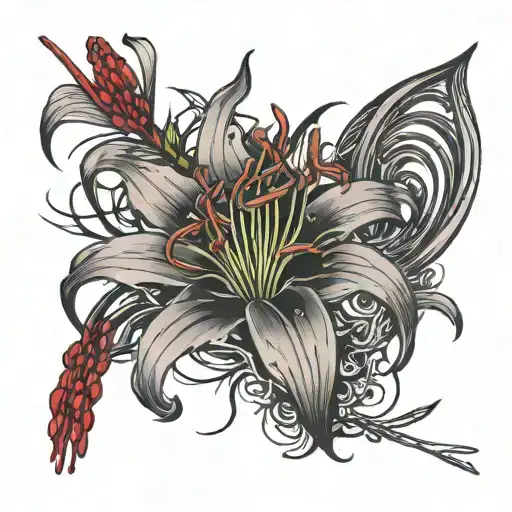
Red Spider Lily With "Sin And...
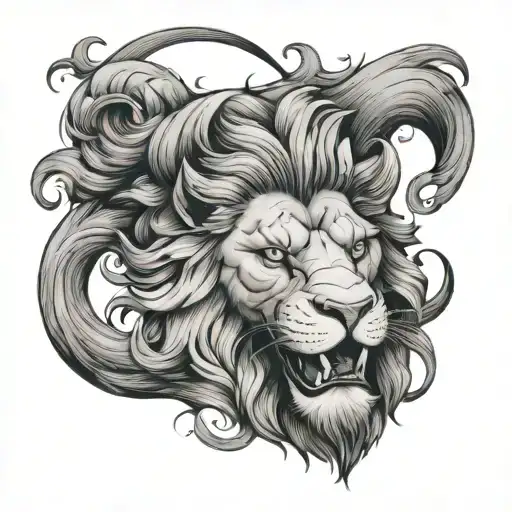
Lion Tattoo Also Similar To Escanor In...
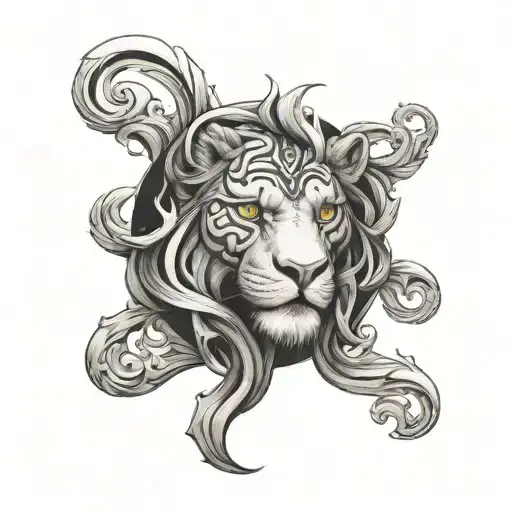
A Scar On Lion's Eye Tattoo Similar To...
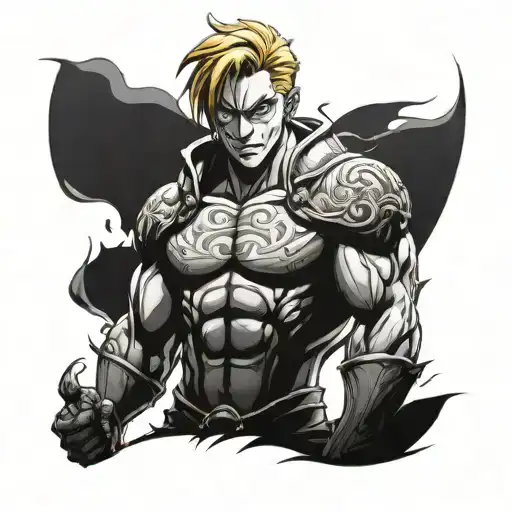
Escanor Seven Deadly Sins
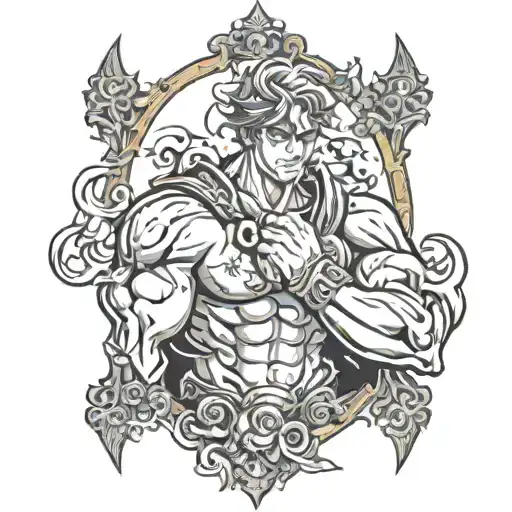
Escanor Seven Deadly Sins
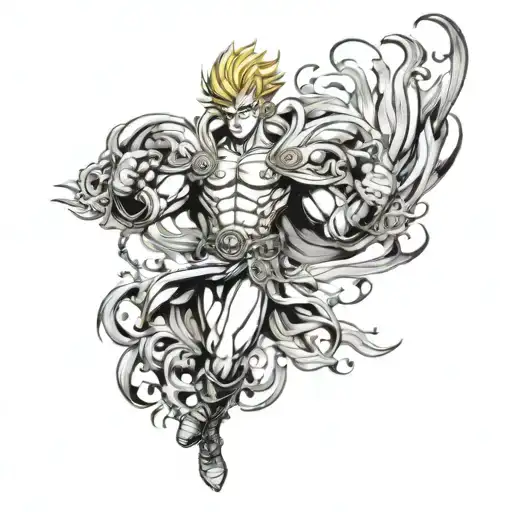
Escanor Seven Deadly Sins
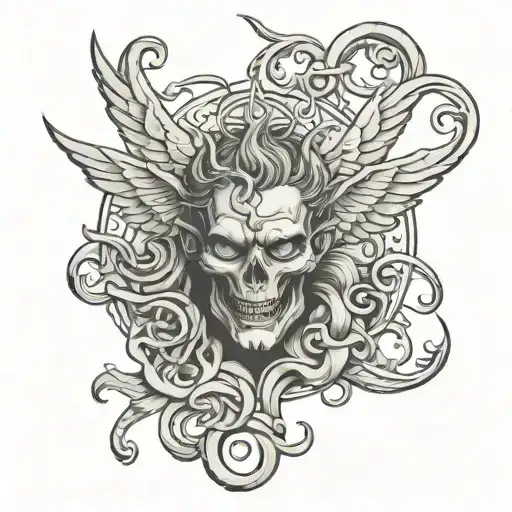
Not Believing In God Is A Sin Not Even...
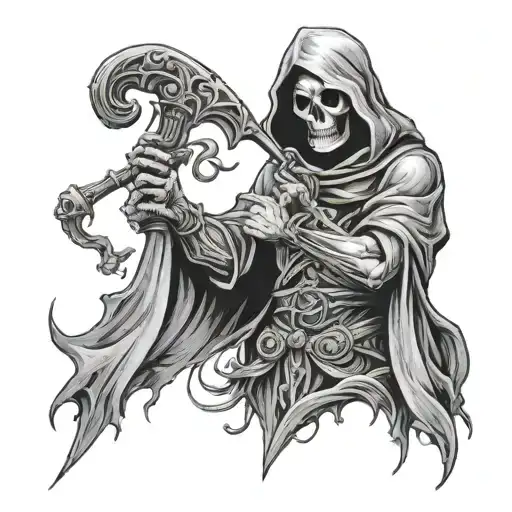
Grim Reaper Holding Number 7 Deadly Sins
Seven Deadly Sins
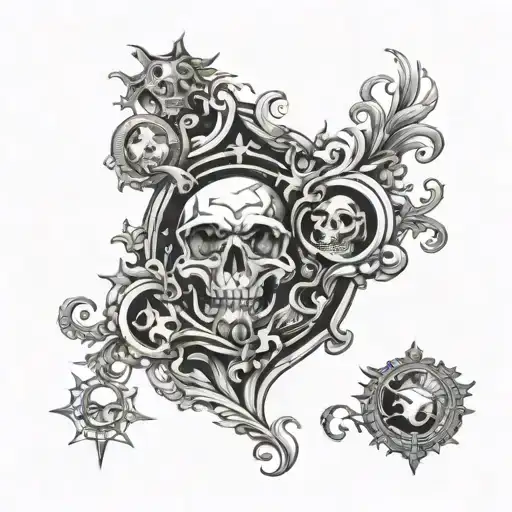
Seven Deadly Sins
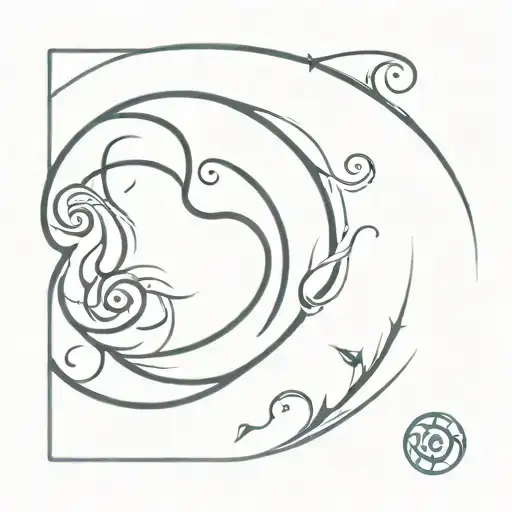
Seven Deadly Sins Symbol Merging
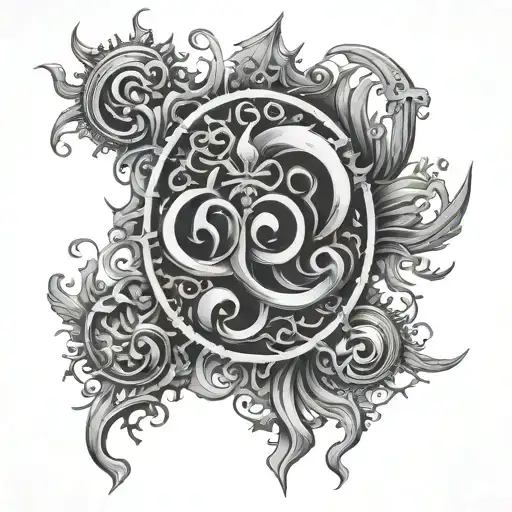
Seven Deadly Sins Symbol Merging
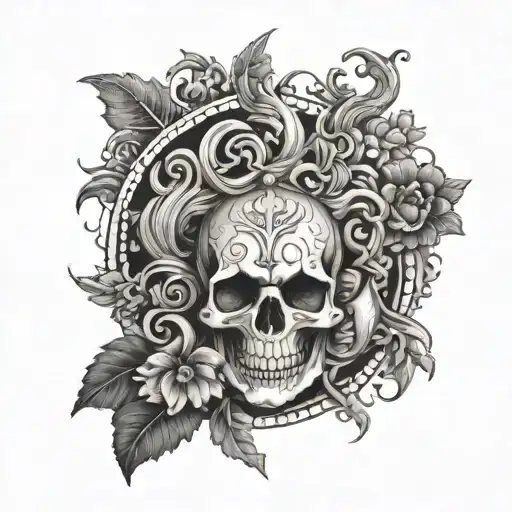
Seven Deadly Sins
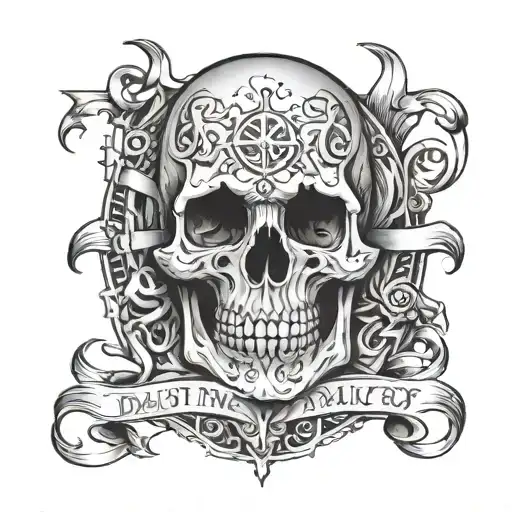
Dead To Sin Alive In Christ
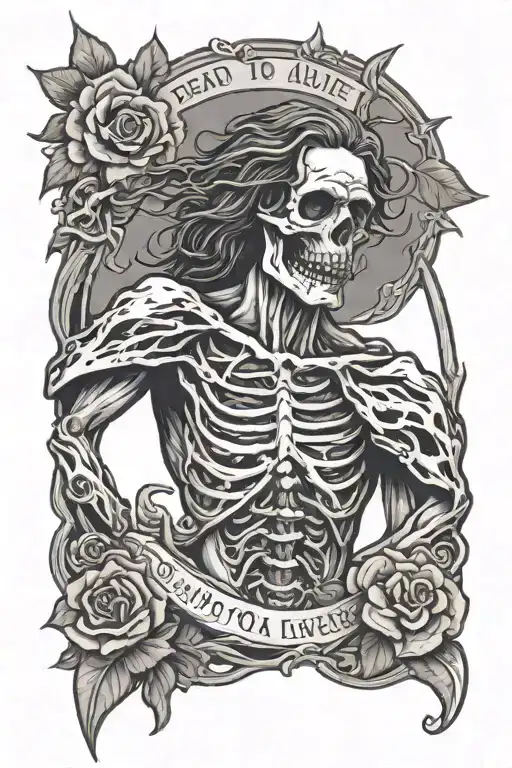
Dead To Sin Alive In Christ
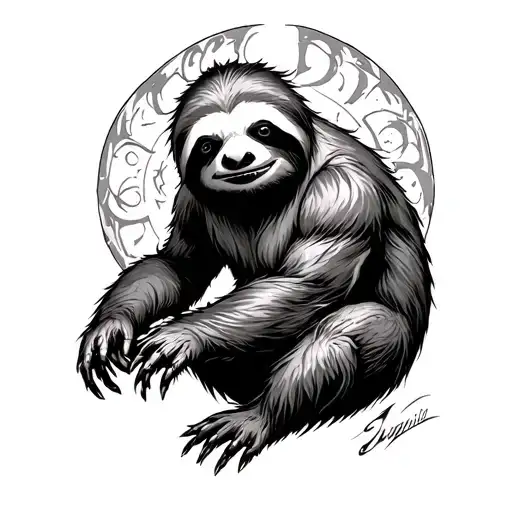
Sloth 7 Deadly Sins Full Metal Alchemist
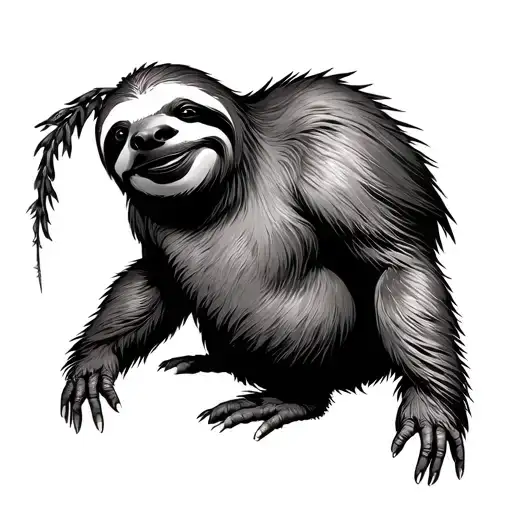
Sloth 7 Deadly Sins

Sin Of Gluttony Japanese
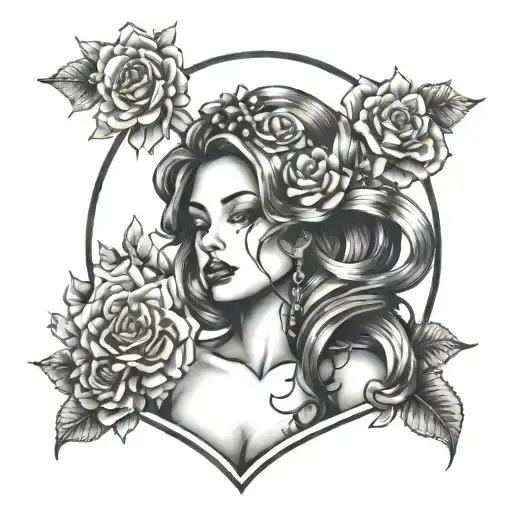
Sin Of Gluttony Sexy Woman
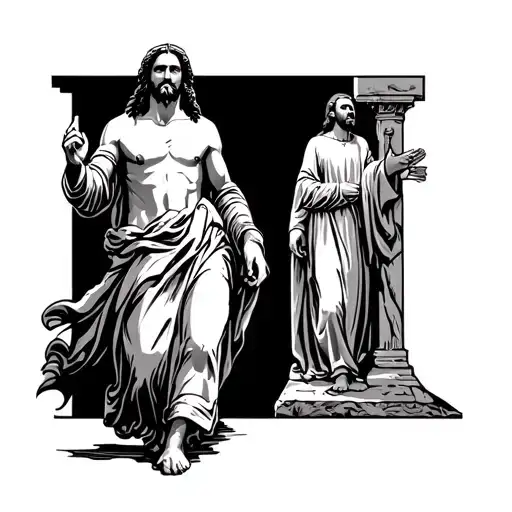
Jesus Christ Walking Over Our Sins Vs 7
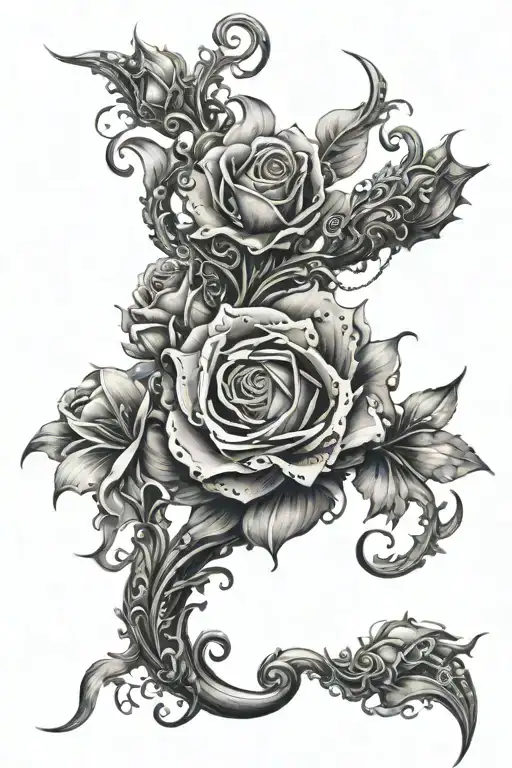
Sin Of Lust
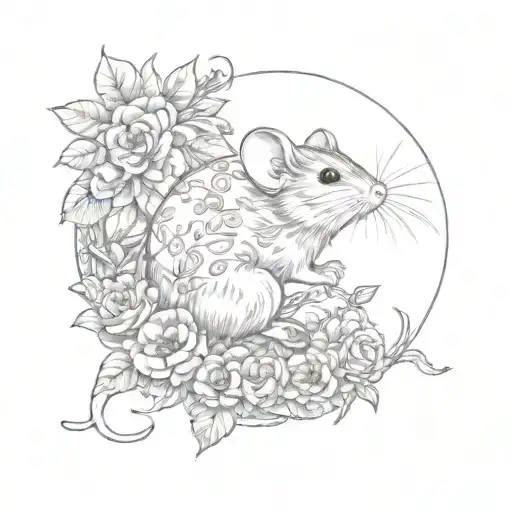
Cute Mouse Inside Of A Floral Wrath...
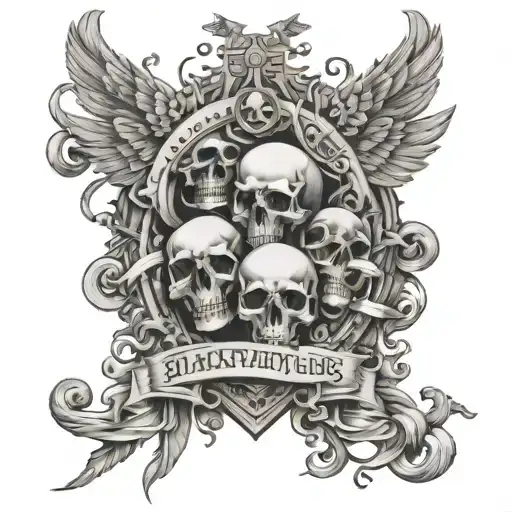
7 Deadlly Sins Vs 7 Heavenly Virtues
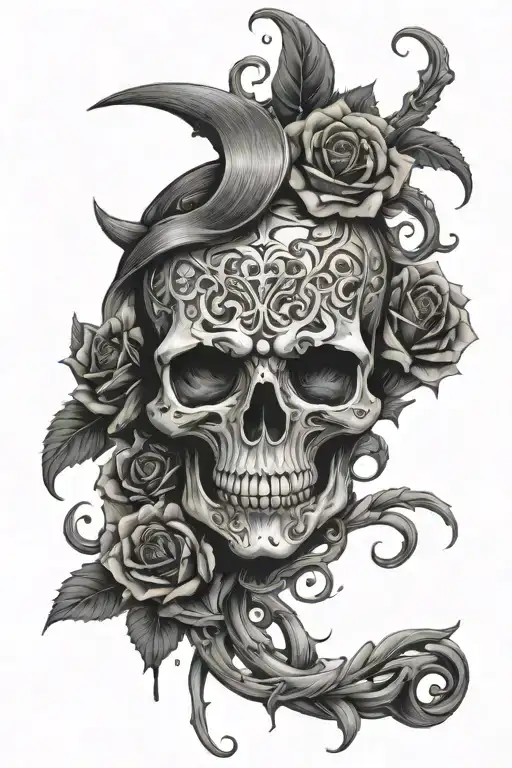
7 Deadlly Sins
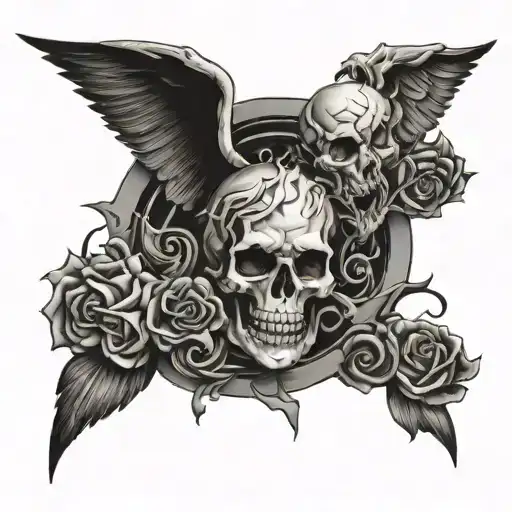
7 Deadlly Sins
"Sin City"
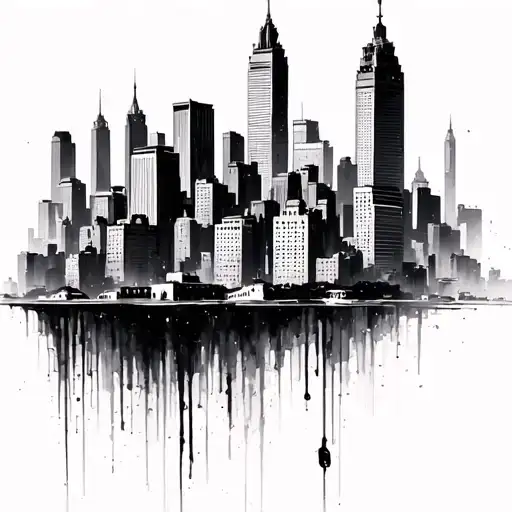
Sin City Skyline Merging
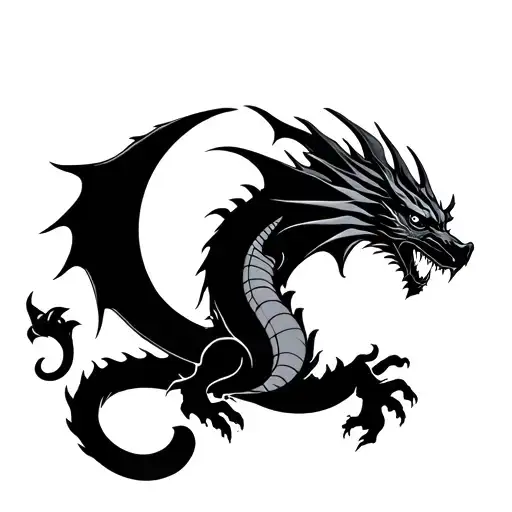
Black Dragon Flying, Moon With His...
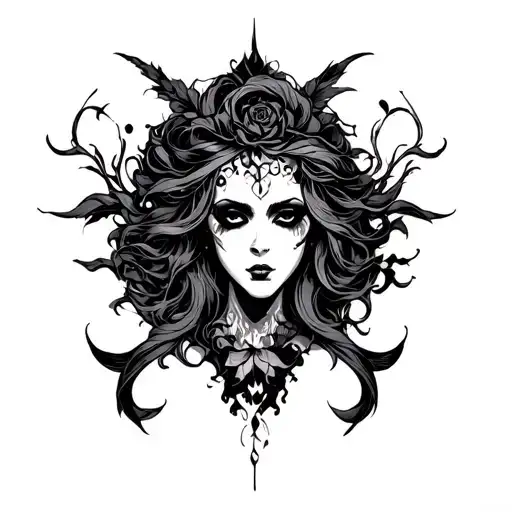
Sin Of Lust
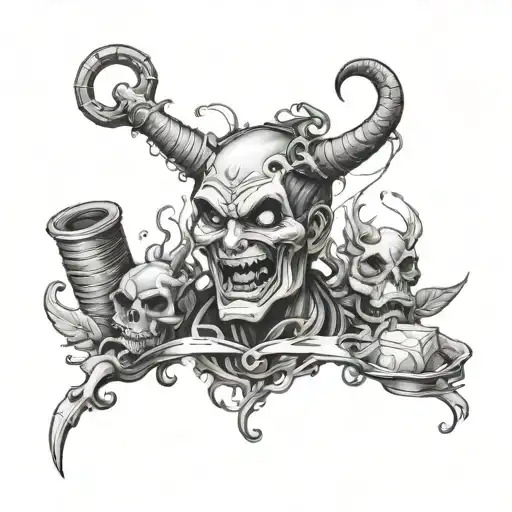
Greed Sin
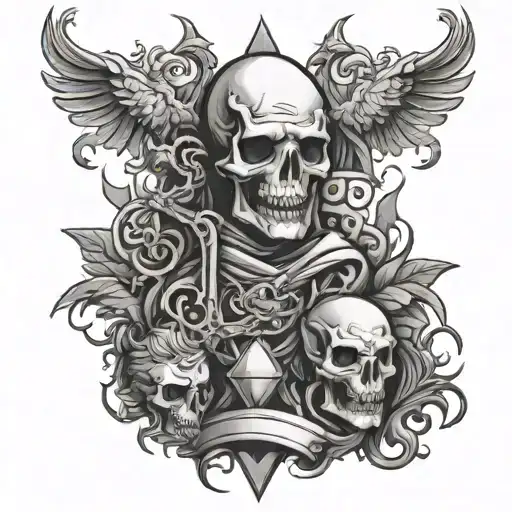
Greed Sin
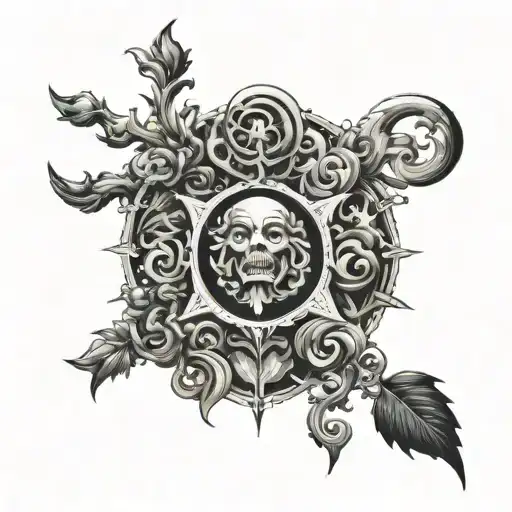
Envy In Seven Sins
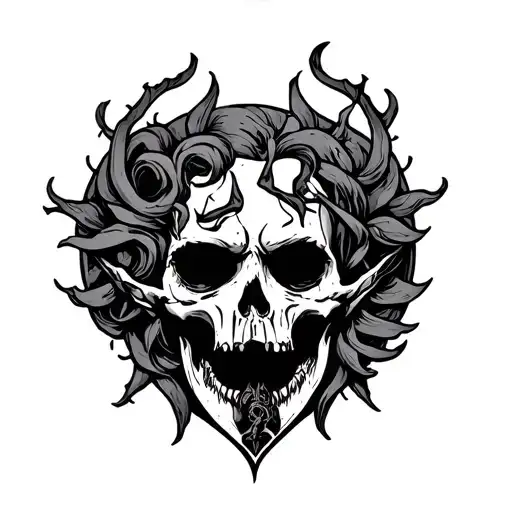
Seven Deadly Sins
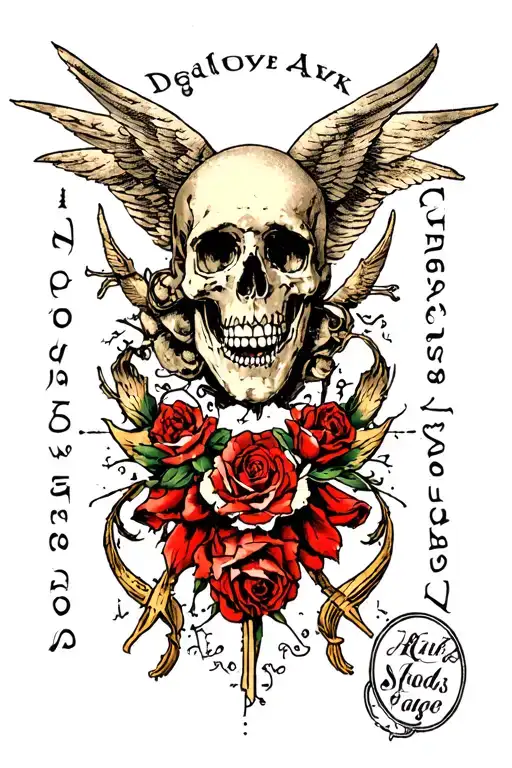
7 Deadly Sins Chest Tattoo
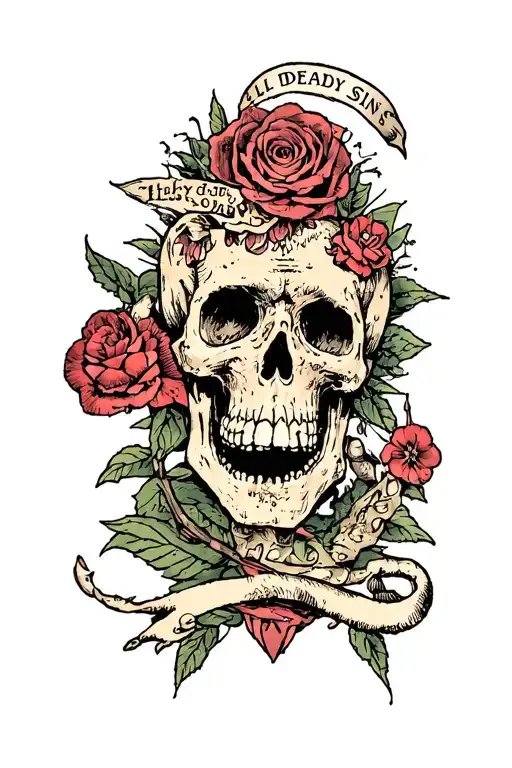
All 7 Deadly Sins American Traditional

Mccormick Family Crest With Sin Timore...
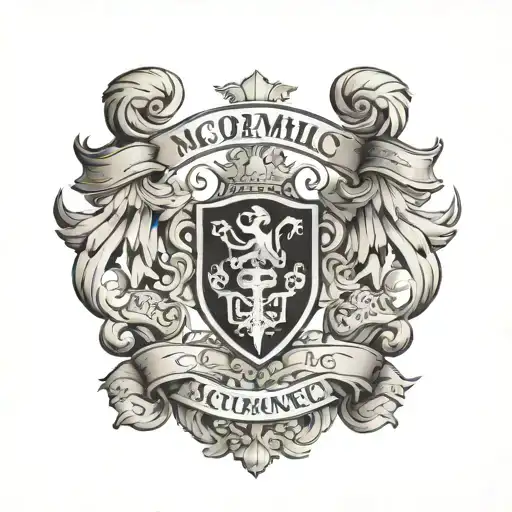
Mccormick Family Crest With Sin Timore...
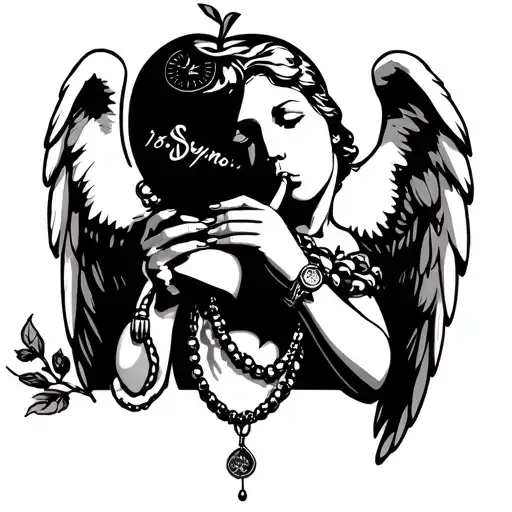
Angel Biting An Apple Representing Sin...
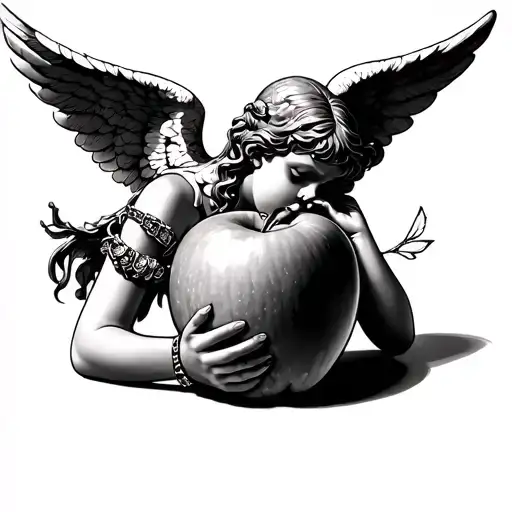
Angel Biting An Apple Representing Sin...
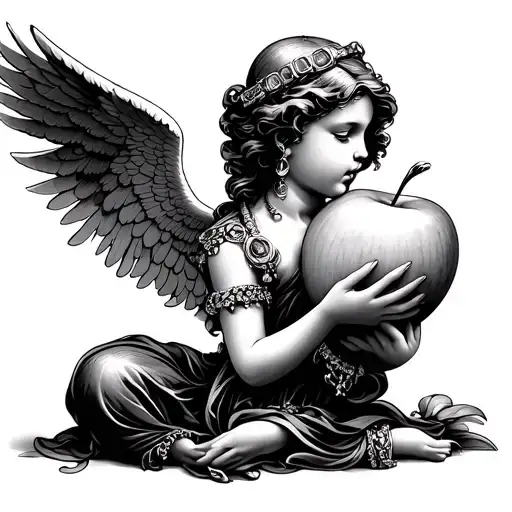
Angel Biting An Apple Representing Sin...
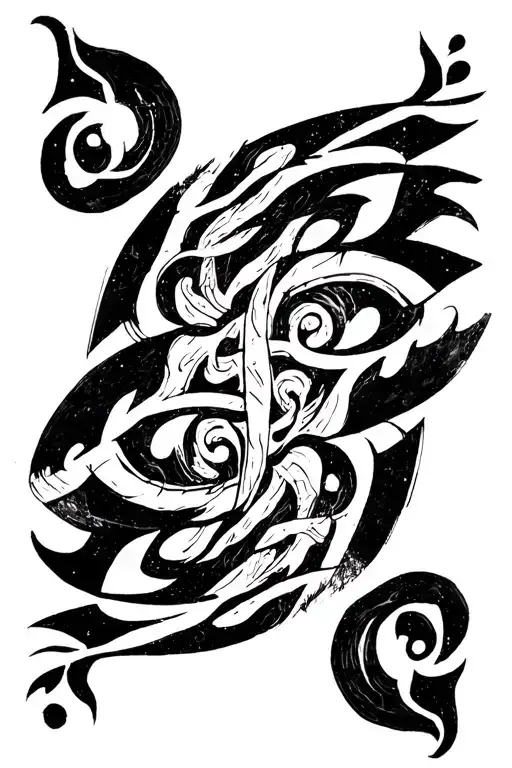
Seven Deadly Sins Armband Tattoo
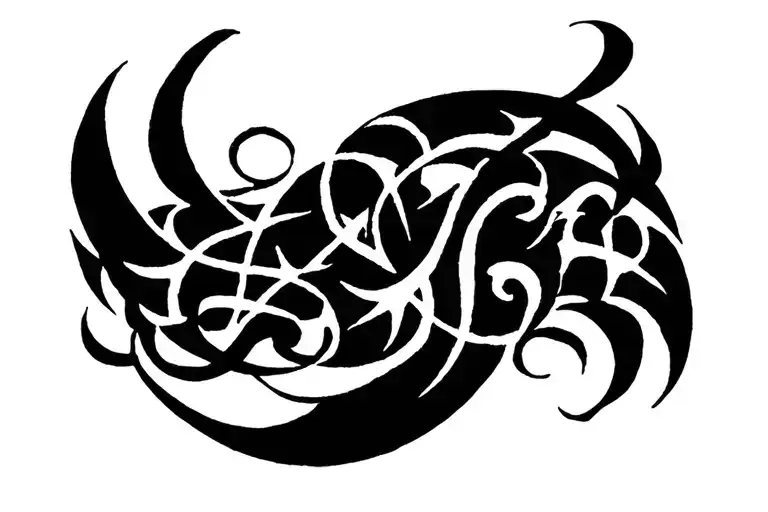
Seven Deadly Sins Armband Tattoo
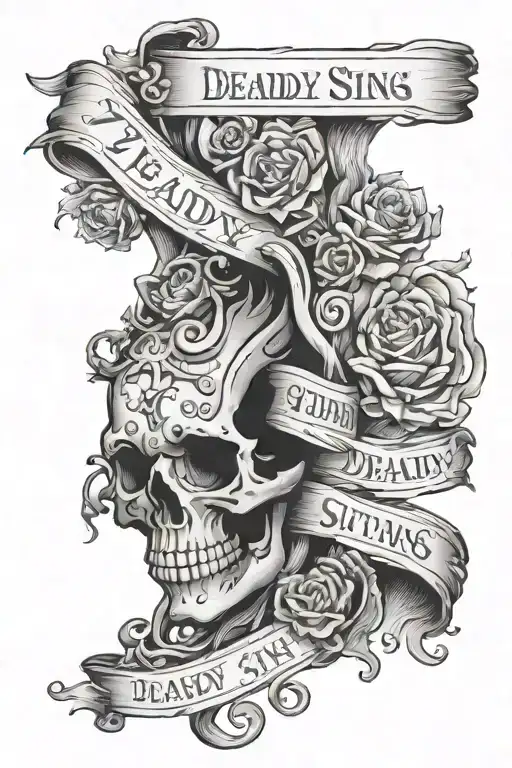
7 Deadly Sins Words On A Scroll Wrapped
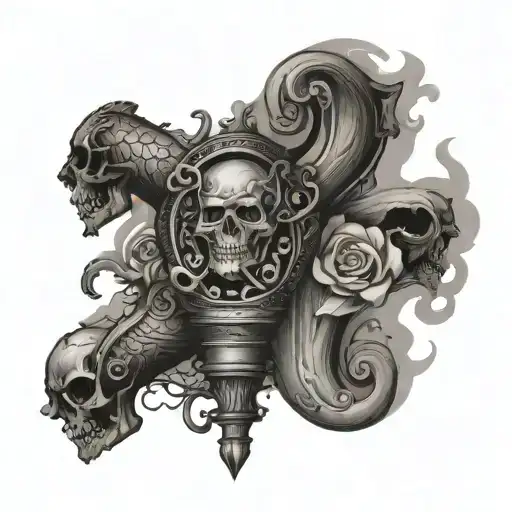
7 Deadly Sins Words On A Scroll

7 Deadly Sins Words On A Scroll Wrapped
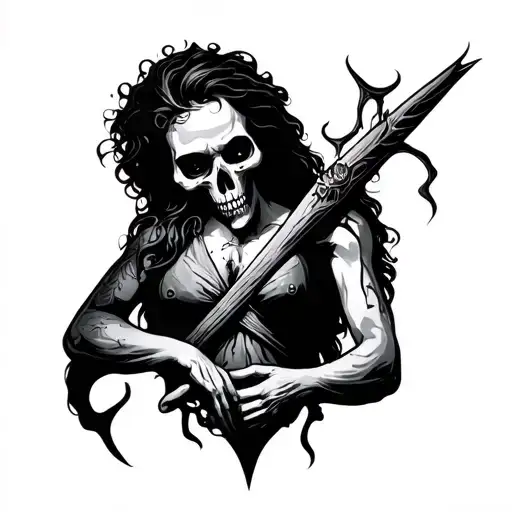
7 Deadly Sins
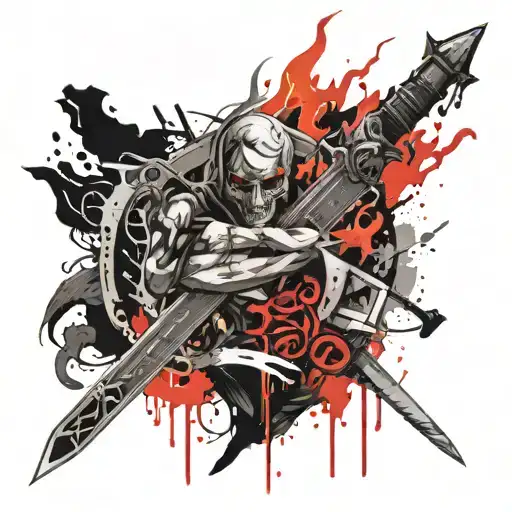
Number 7 Deadly Sins Implaed With...
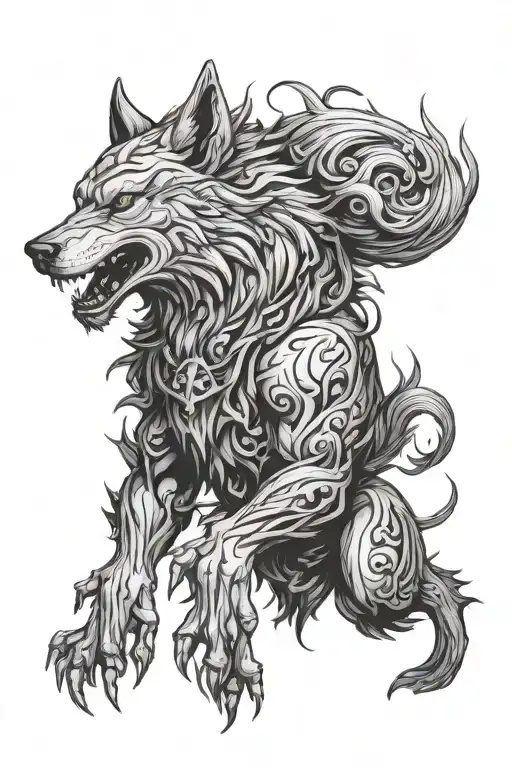
Theme: Gothic Seven Deadly Sins With A...
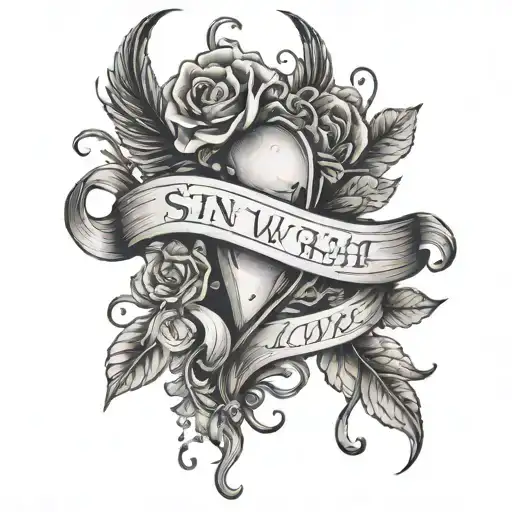
"My Sin Was Great Your Love Was Greater"
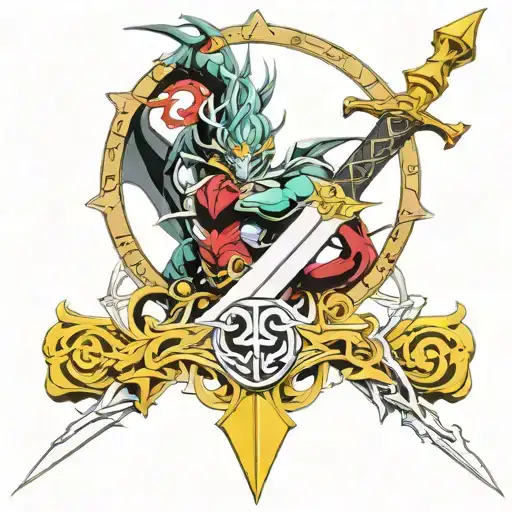
Meliodas Sacred Treasure Lostvayne...
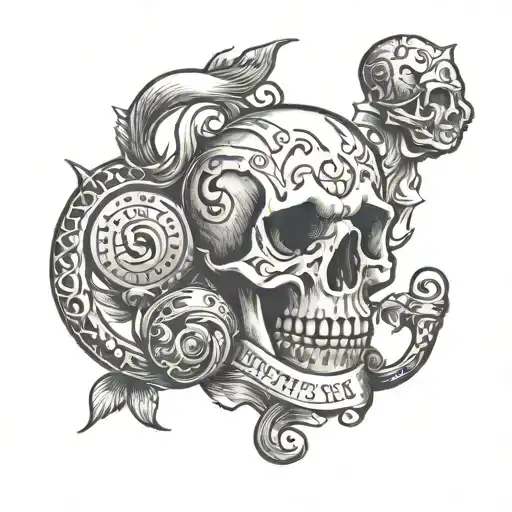
Seven Deadly Sins Sleave Tattoo
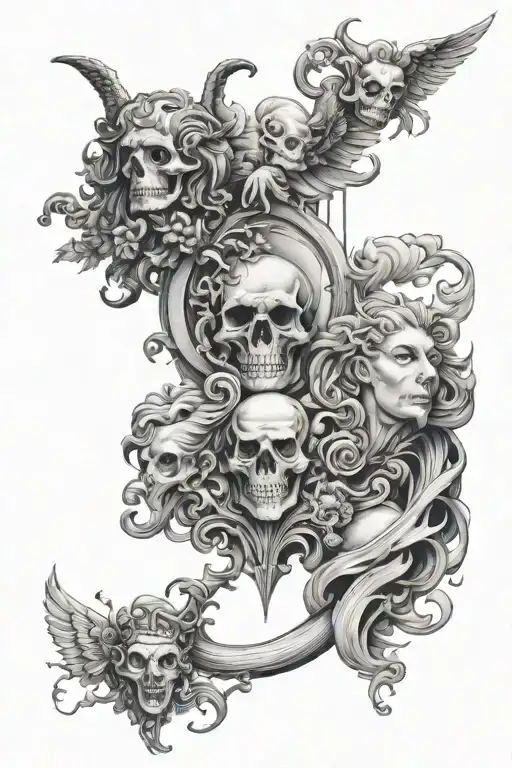
Seven Deadly Sins Vs 7 Heavenly
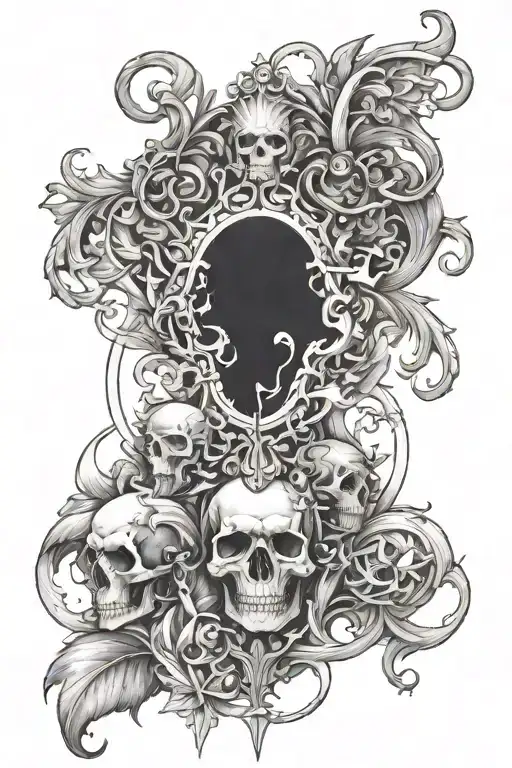
Seven Deadly Sins
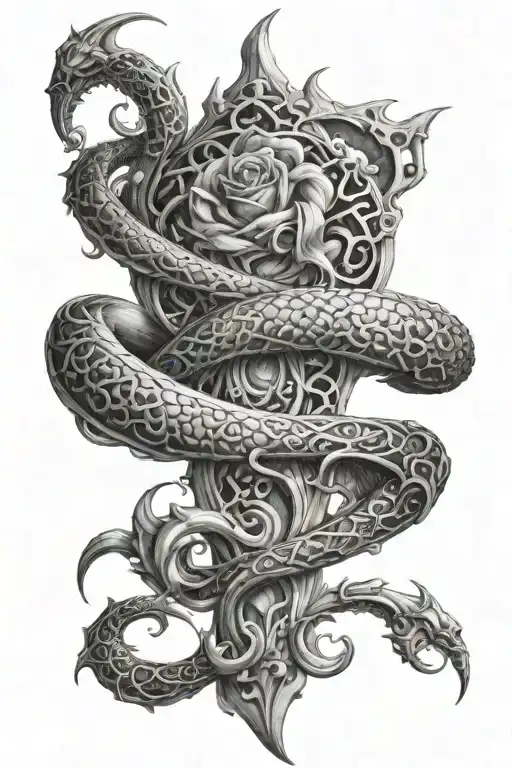
Malenia Elden Ring, Seven Deadly Sins,...

Four Horsemen, Seven Deadly Sins,...
Euler Identity Circle With Cos And Sin
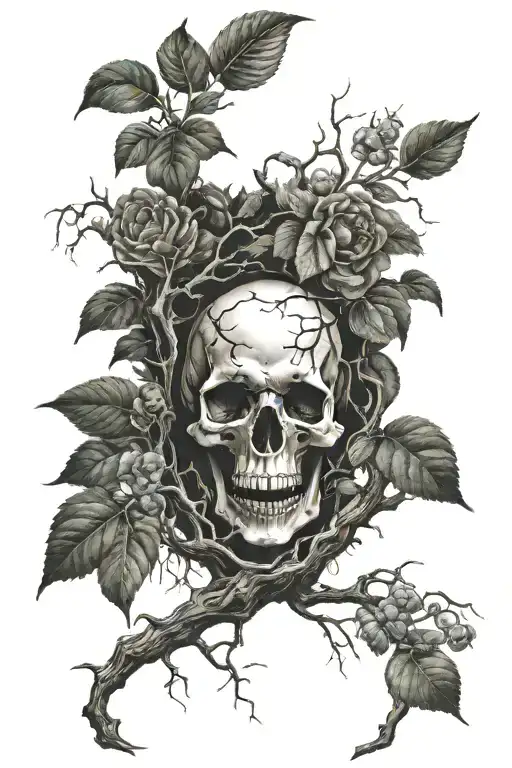
Poison Tree Of Sin
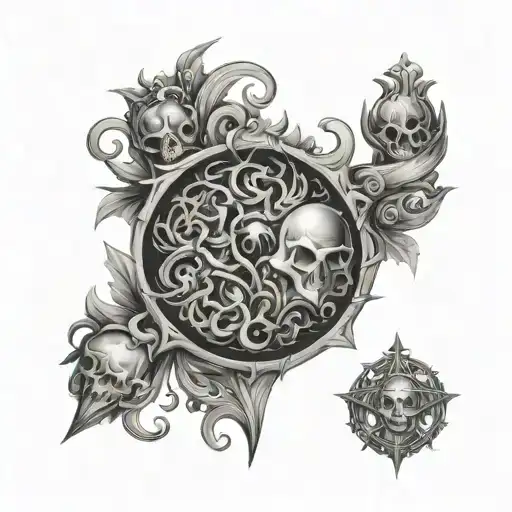
Seven Deadly Sins
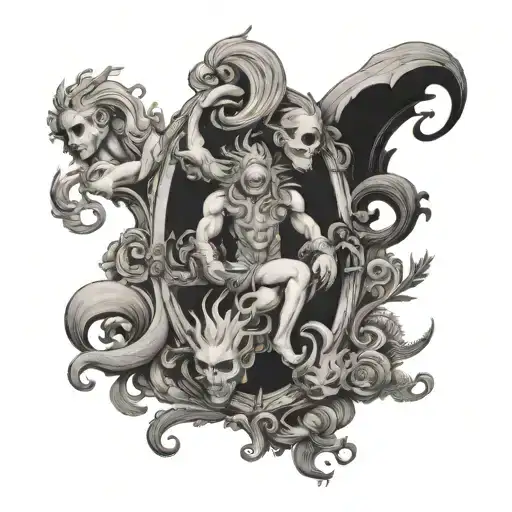
Seven Deadly Sins
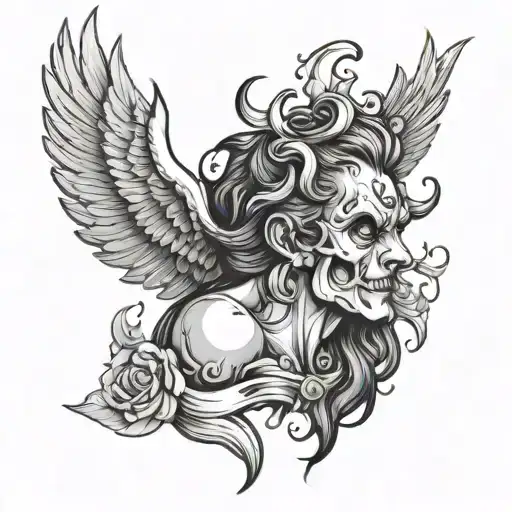
Create Pride As Deadly Sin
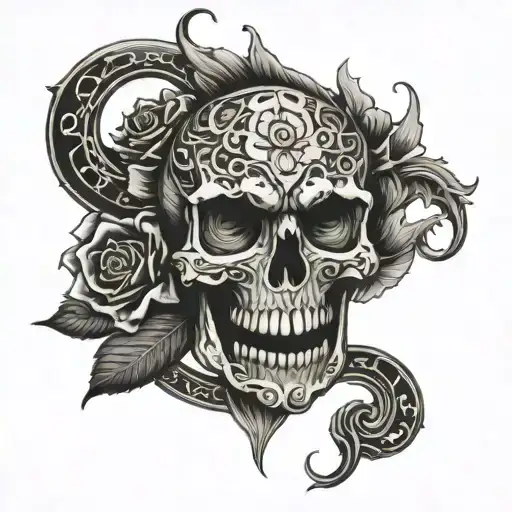
Create Pride As Deadly Sin
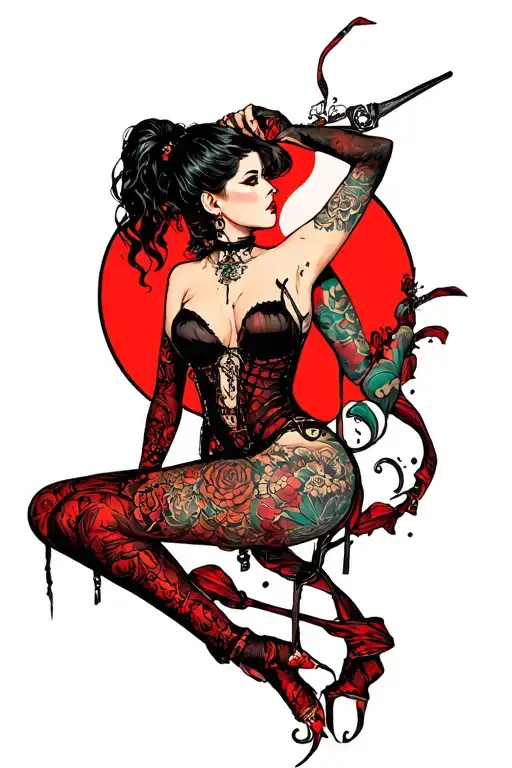
Sin Anger In The Form Of A Bdsm Girl In...
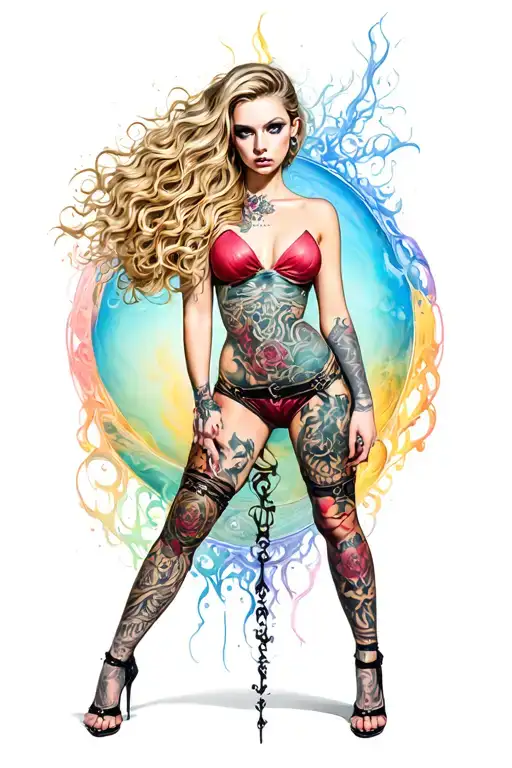
Sin Anger In The Form Of A Bdsm Girl In...
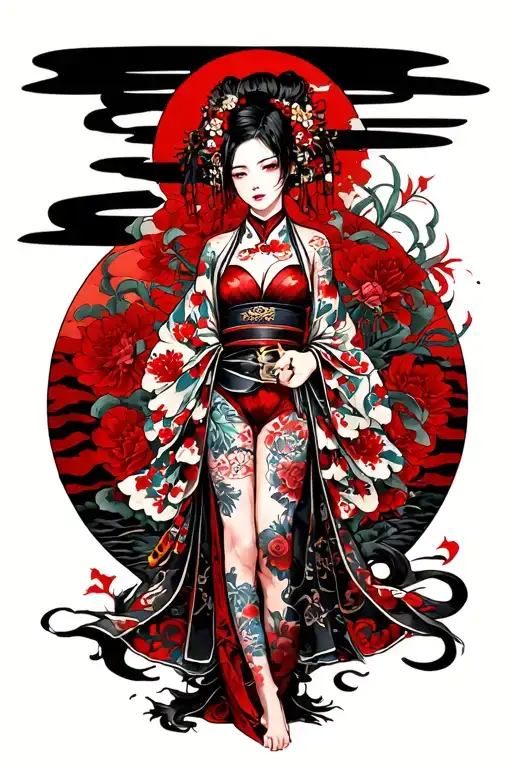
Sin Anger In The Form Of A Bdsm Girl In...
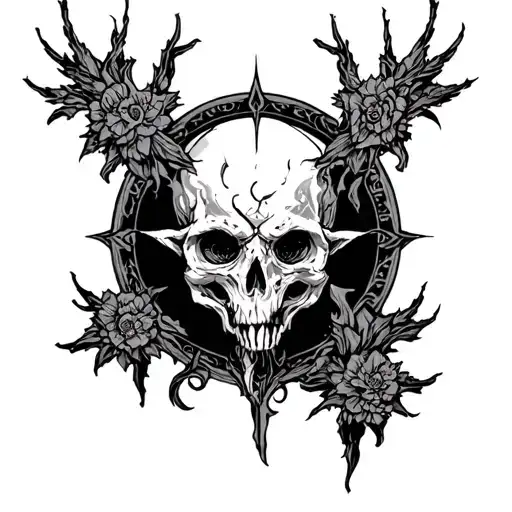
Seven Deadly Sins
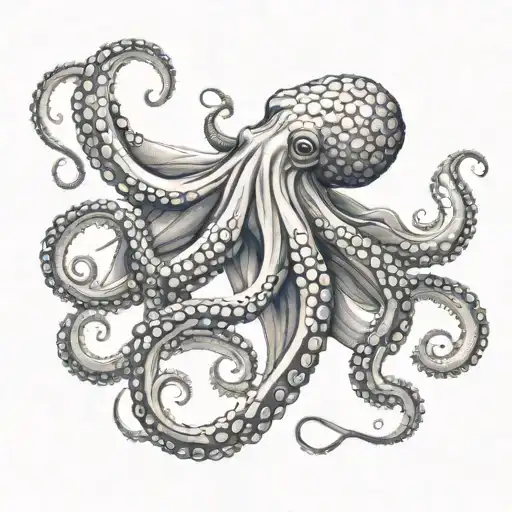
Octopus Wrapping Its Tentacles Around...
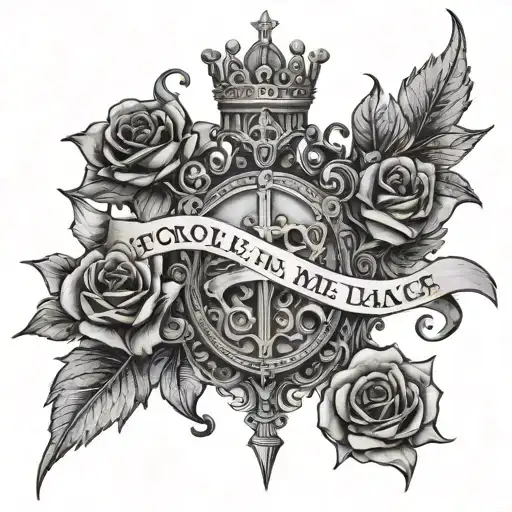
Forsake All Religions And Take Refuge...
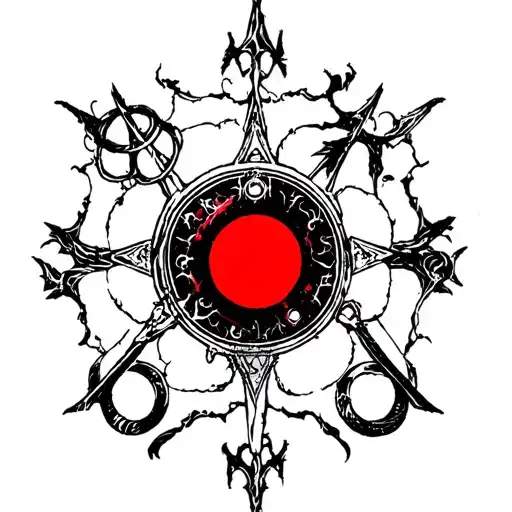
7 Deadly Sins
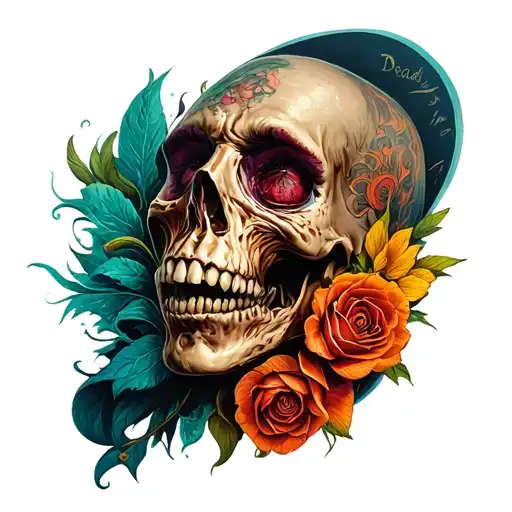
7 Deadly Sins
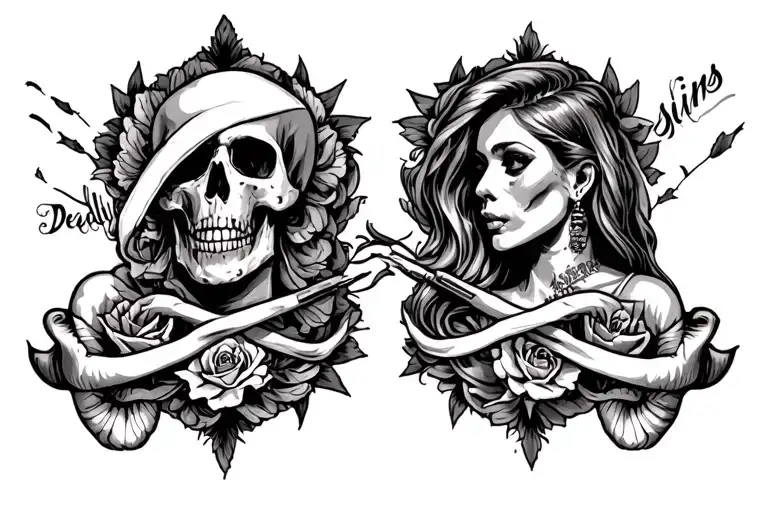
Deadly Sins
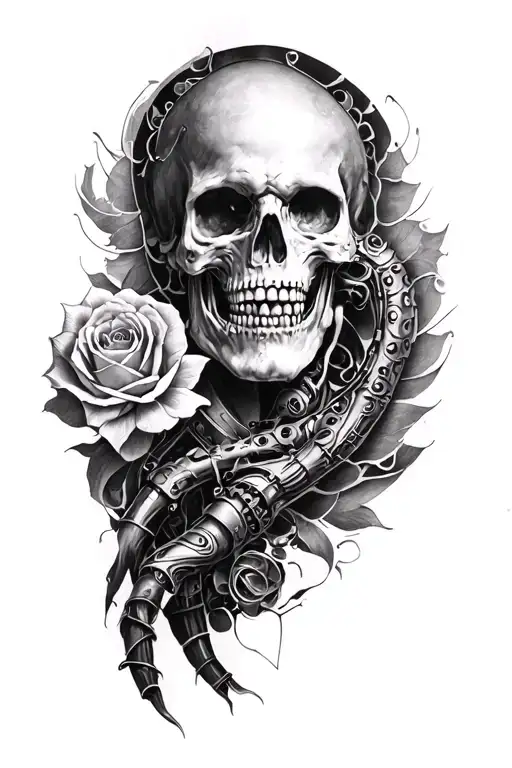
7 Sins . Life . Mechanical
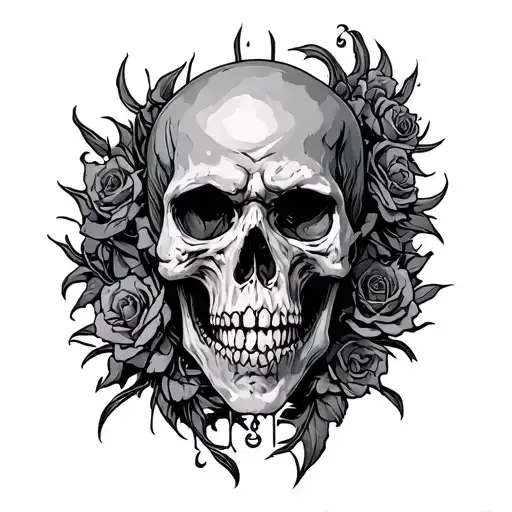
7 Deadly Sins

7 Deadly Sins
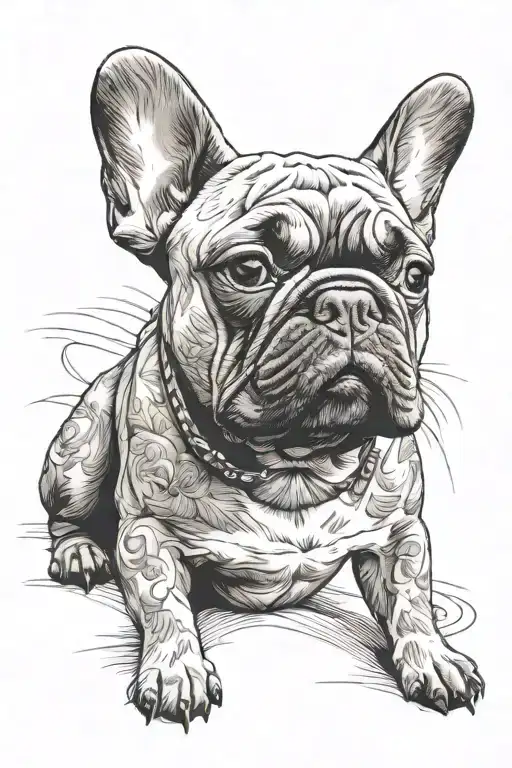
Sevin Sins In French Bulldog
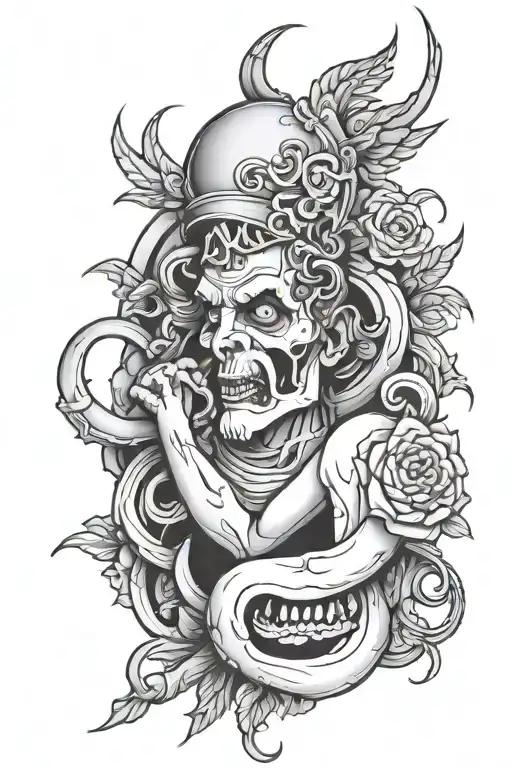
Sevin Sins In French
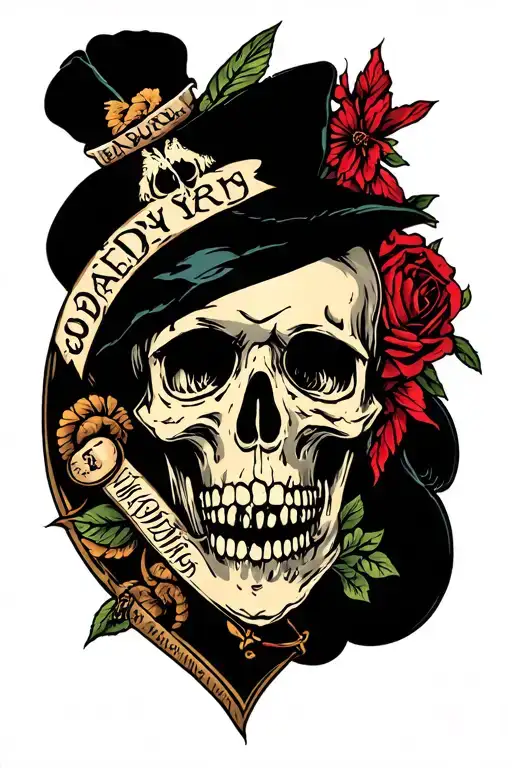
Seven Deadly Sins
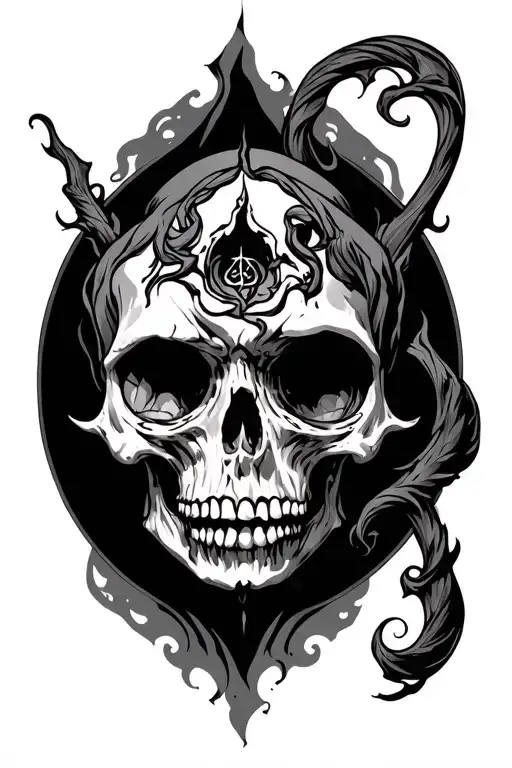
7 Deadly Sins
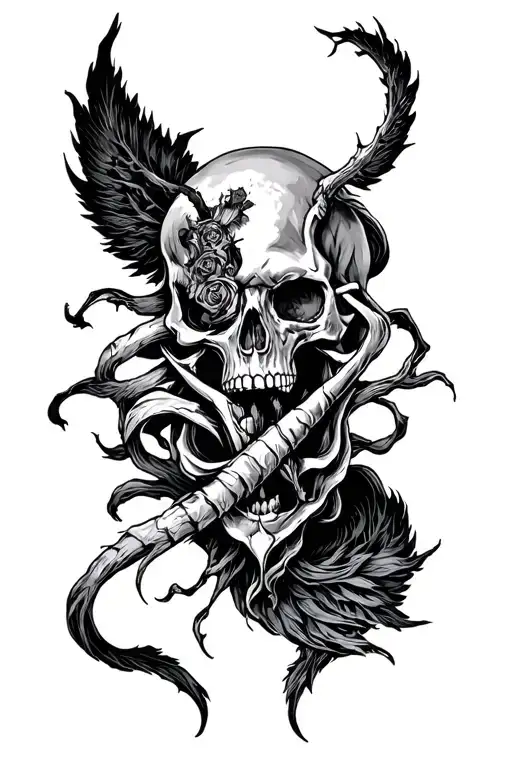
7 Deadly Sins
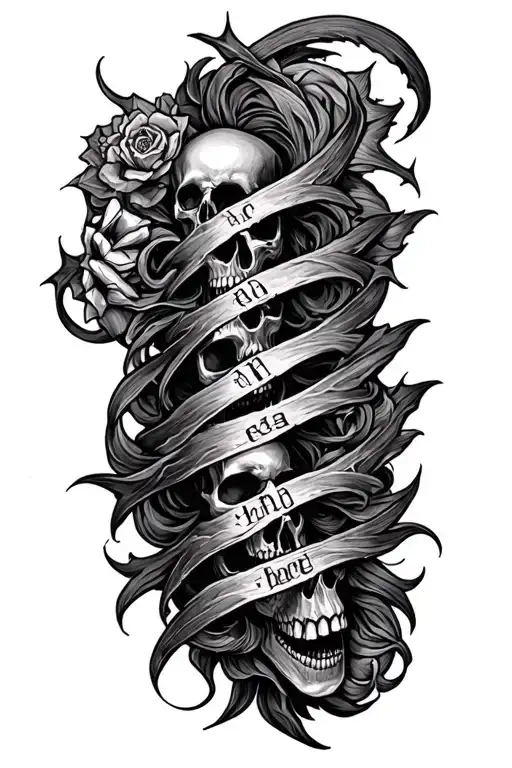
7 Deadly Sins
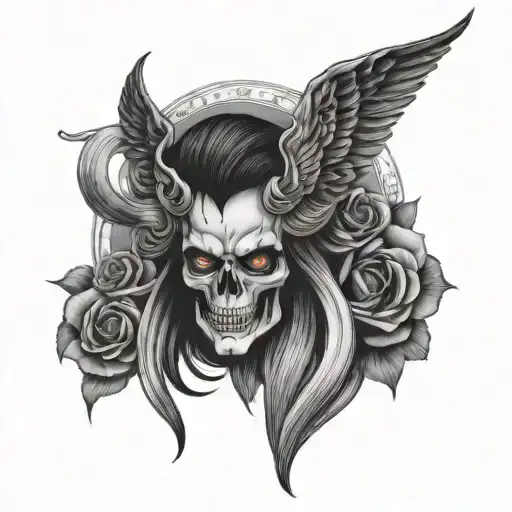
Pride Deathly Sin
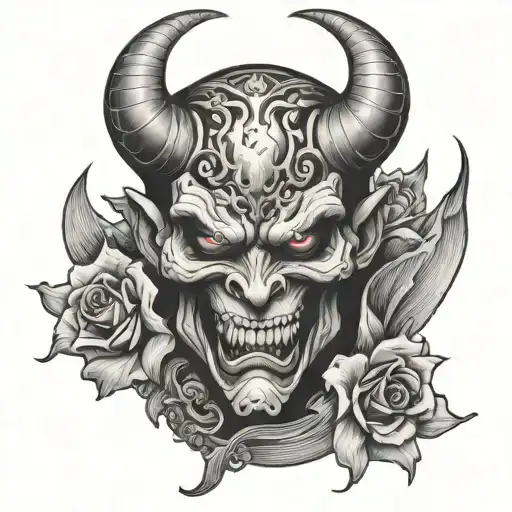
Pride Deathly Sin Devil
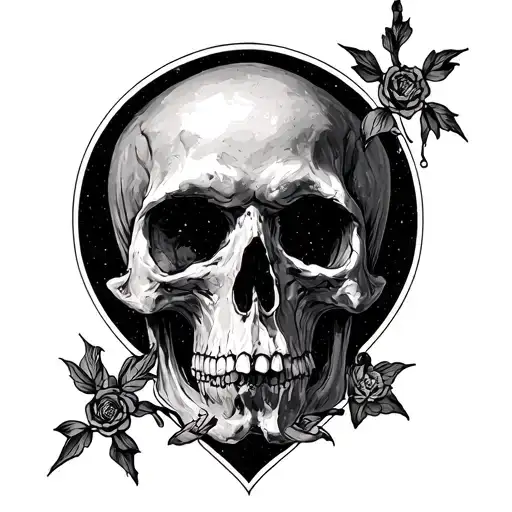
Seven Dealt Sins
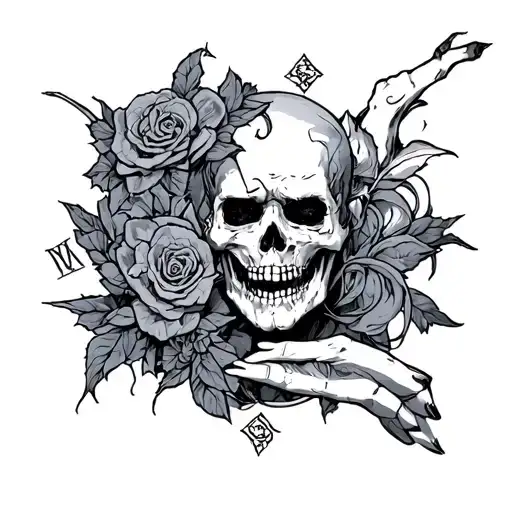
Seven Dealt Sins Manga Style

Sin Of Sloth
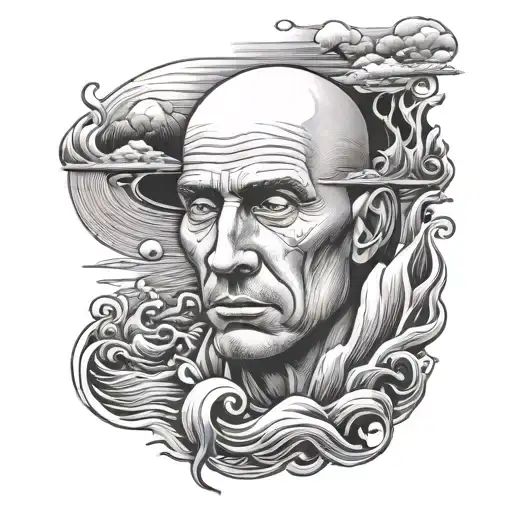
Johnny Sins Crying In The Lake Side
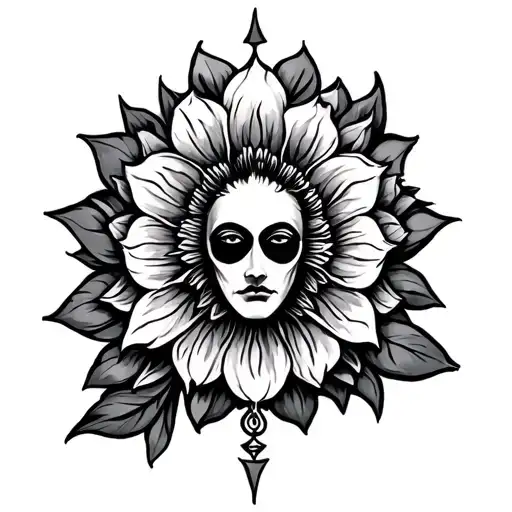
There Is No Sin, No Merit, No Sperm, No...

#1 AI Tattoo App

BlackInk helps tattoo lovers create their own unique tattoos in seconds. Create tattoo designs for free.

© 2026 BlackInk AI, LLC
contact: info@blackink.ai