
158771+ Japanese Style Tattoos
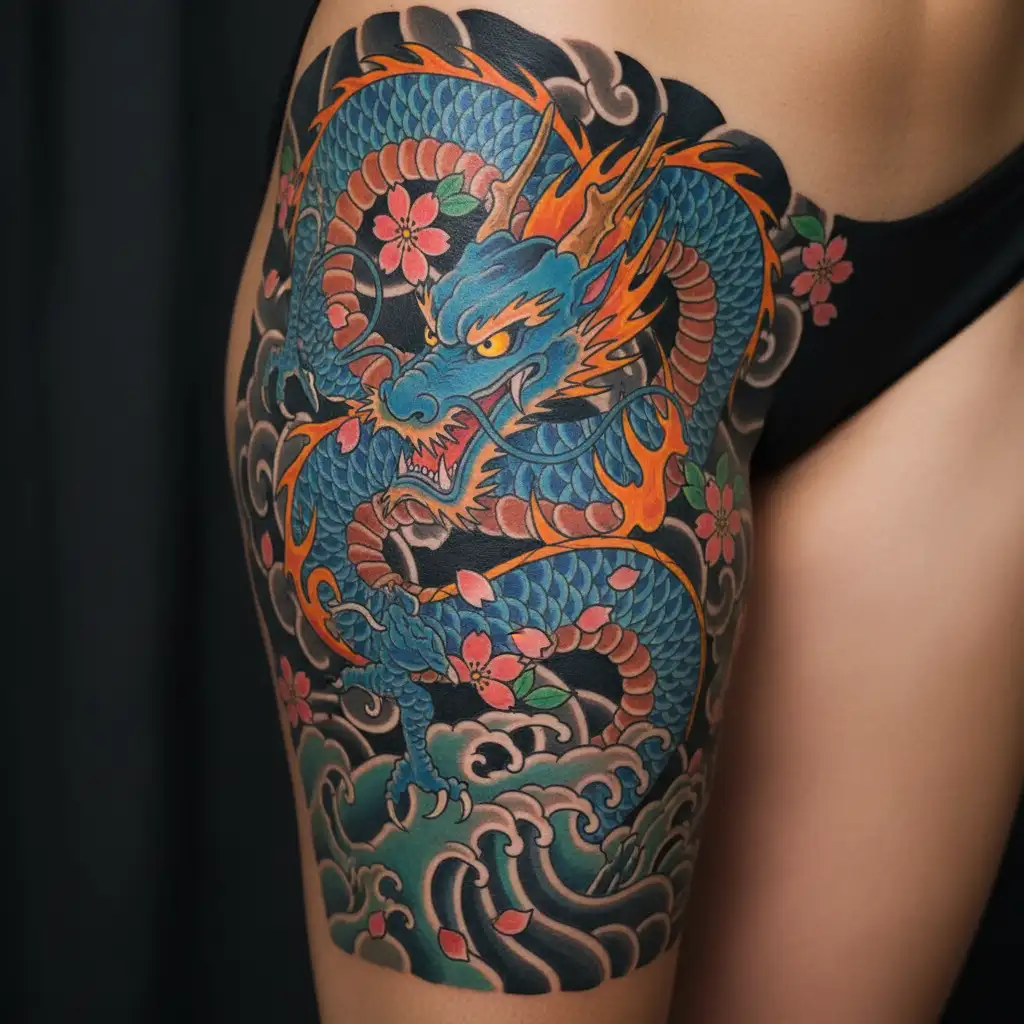
Japanese tattoo style, traditionally known as Irezumi, is characterized by its vivid, colorful designs that cover large areas of the body, Key features include intricate detailing, bold color usage, and fluid composition that wraps and contours with the body's shape, This style often incorporates elements from nature and Japanese folklore, such as koi fish, cherry blossoms, and dragons.
The aesthetic characteristics of Japanese tattoos are distinct, They use a rich palette of colors combined with precise line work to depict scenes and stories, Themes are often inspired by nature, mythology, and the samurai code, reflecting virtues such as bravery, honor, and the transience of life.
Typical imagery includes mythical creatures, floral motifs, and wave patterns.
Originating in the Edo period, Japanese tattoos were initially associated with the lower classes and the 'yakuza' (organized crime groups in Japan), Over time, the art form has evolved, gaining worldwide appreciation while maintaining its deep cultural roots, Influences from Ukiyo-e woodblock prints from the 17th century are particularly notable.
While the style itself is not inherently symbolic, the subjects depicted often carry deep meanings, For example, koi fish symbolize perseverance, dragons represent strength and protection, and cherry blossoms signify the fleeting nature of life, These symbols convey personal and cultural messages that resonate deeply with those who choose them.
Common motifs in Japanese tattoos include the lotus flower, representing purity and enlightenment; the tiger, a symbol of strength and courage; and waves, often alluding to life's obstacles, These motifs are chosen not only for their aesthetic appeal but also for their symbolic meanings.
The expansive and detailed nature of Japanese tattoos makes them best suited for large areas like the back, chest, and full sleeves, which allow for the full expression of their complex artistry, These placements are ideal for the flowing, dynamic designs characteristic of this style.
Japanese tattoos remain highly popular, both in Japan and globally, Their rich symbolism, stunning imagery, and historical significance continue to appeal to a wide audience, Recent trends include the fusion of traditional Japanese techniques with modern tattoo practices, broadening their appeal.
Notable artists in this style include Horiyoshi III, a master tattooist known for his traditional Japanese tattoos, His works and those of other prominent artists serve as iconic examples of the craft, often featured in international tattoo conventions and publications.
Integrating keywords such as 'Japanese tattoo ideas,' 'Japanese tattoos,' and 'back tattoos' into discussions about this style helps maintain its visibility and relevance in both traditional and digital spaces.
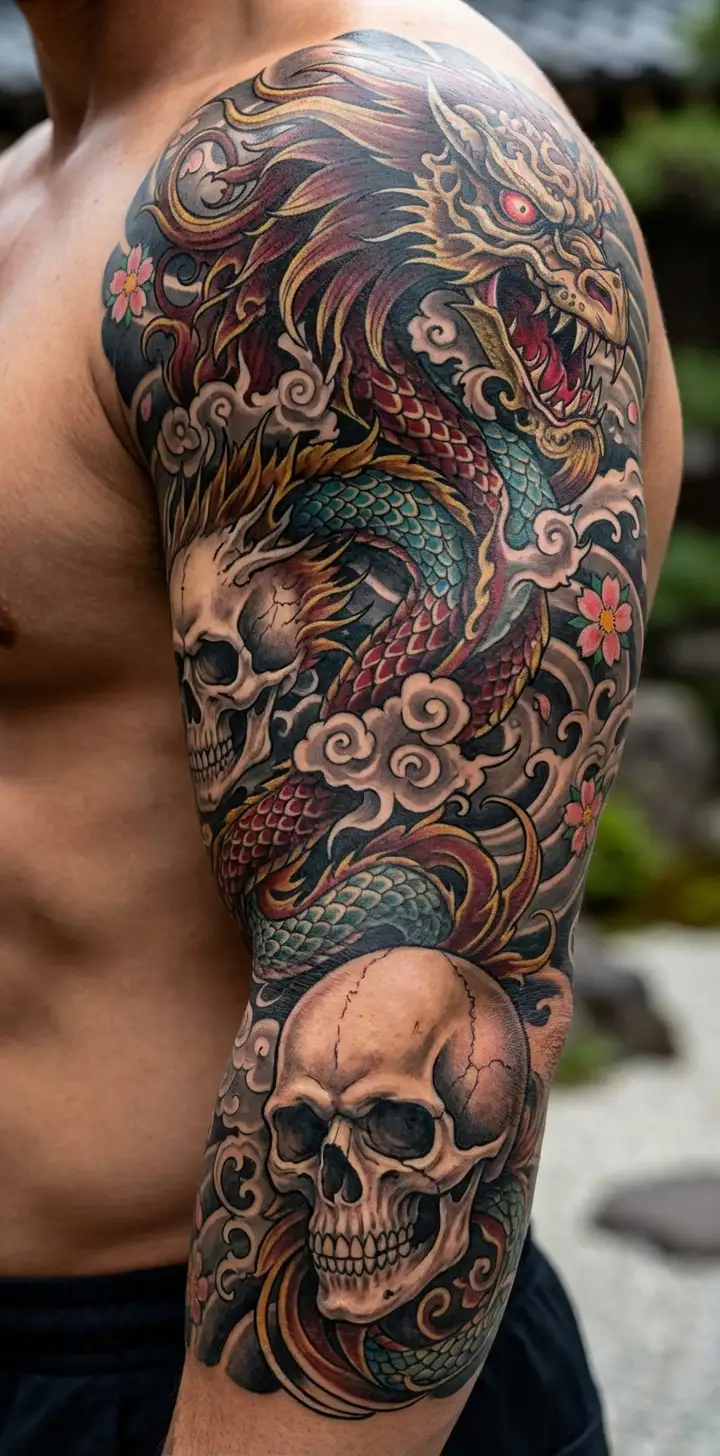
Chinese Dragon And Phoenix And Skull...
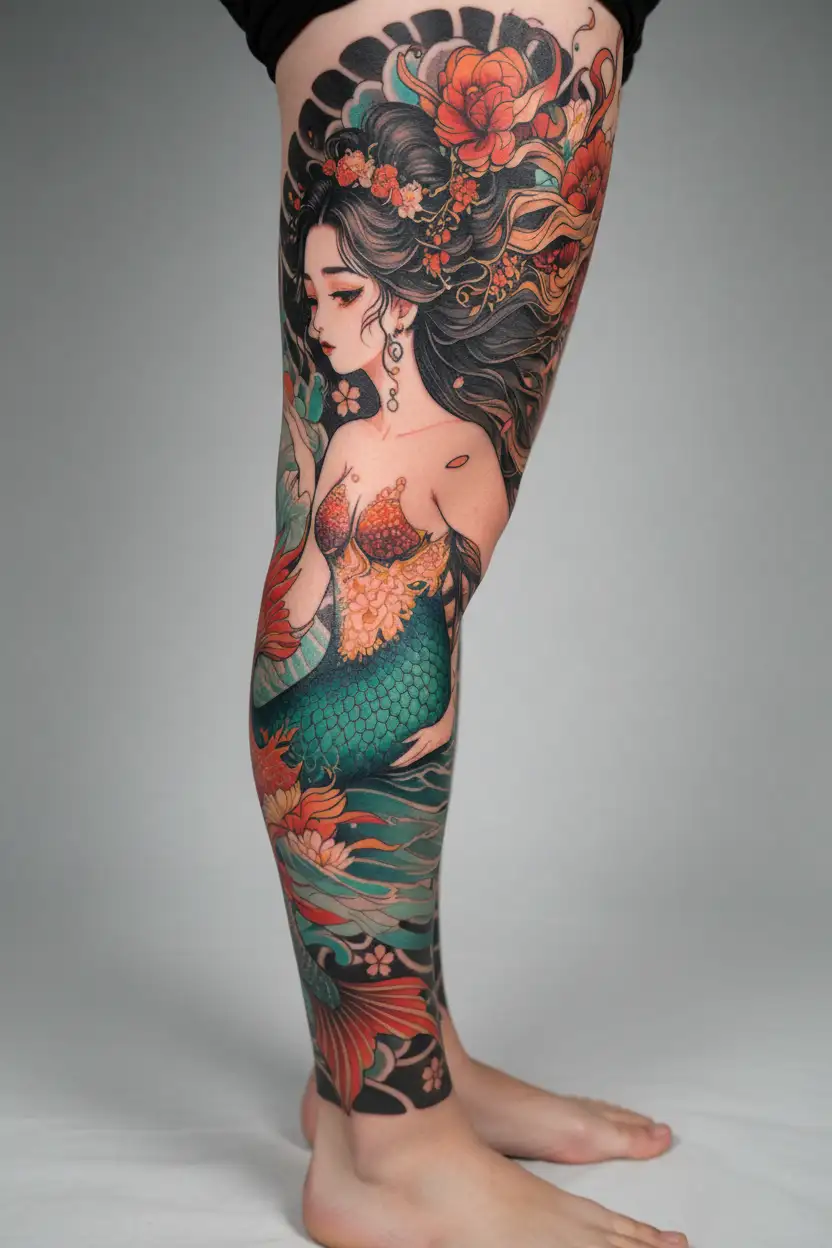
Mermaid
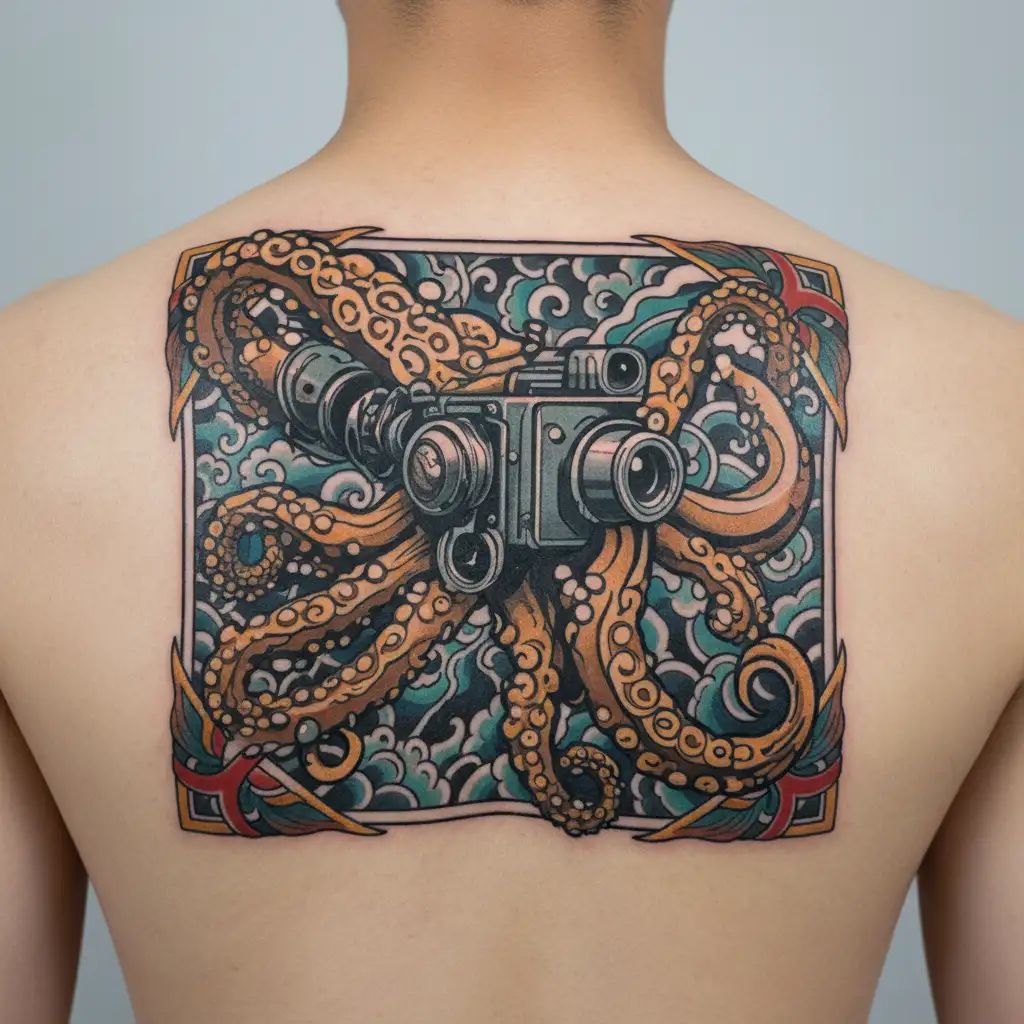
A Traditional Tattoo Of A Cybernetic...
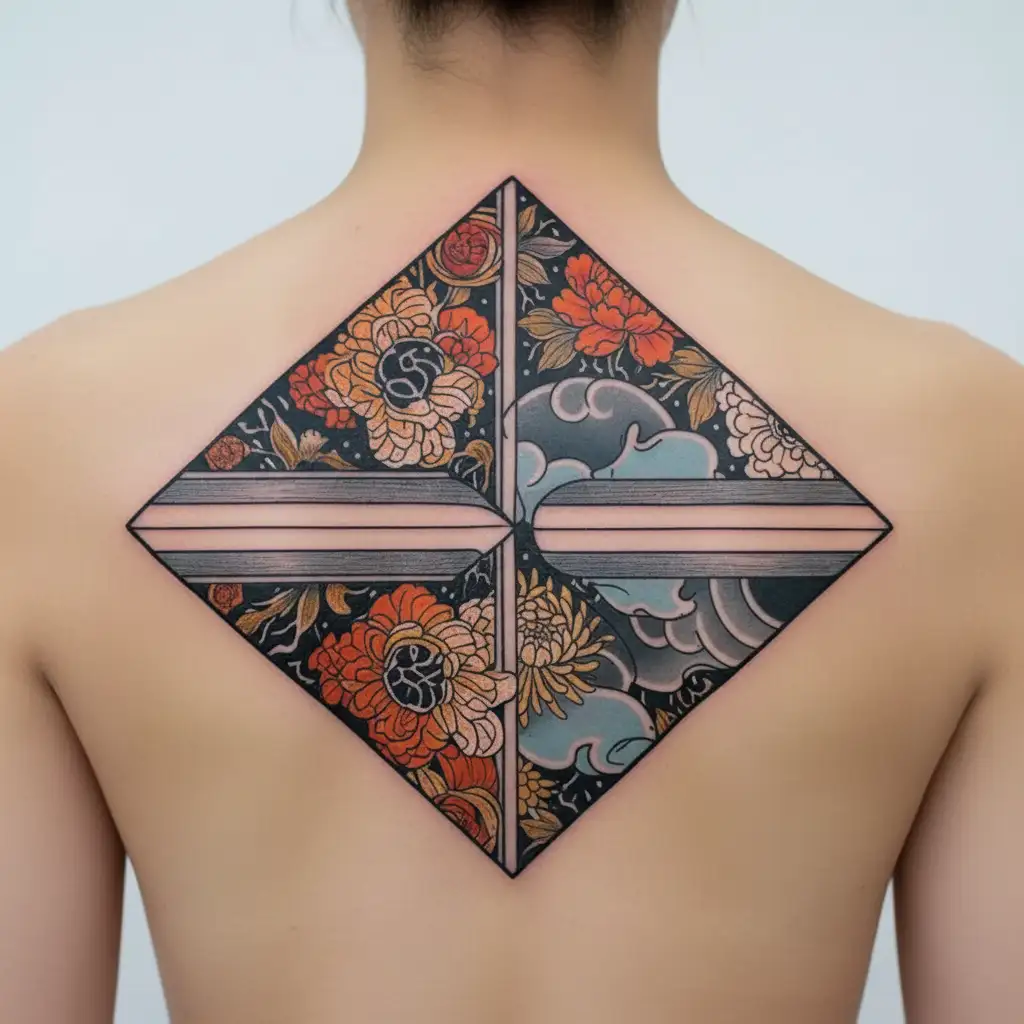
Gemini And Aquarius Patern Geometrical
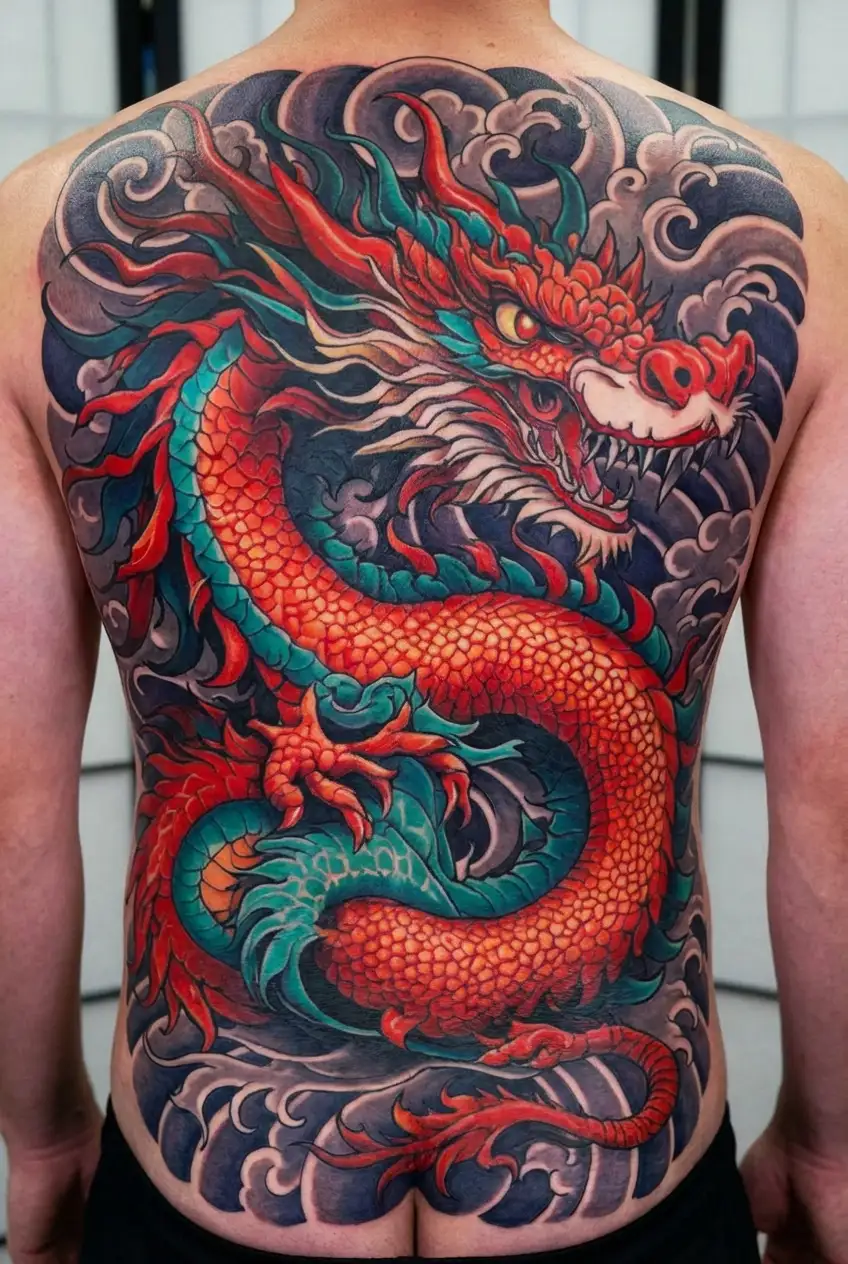
Dragon Red
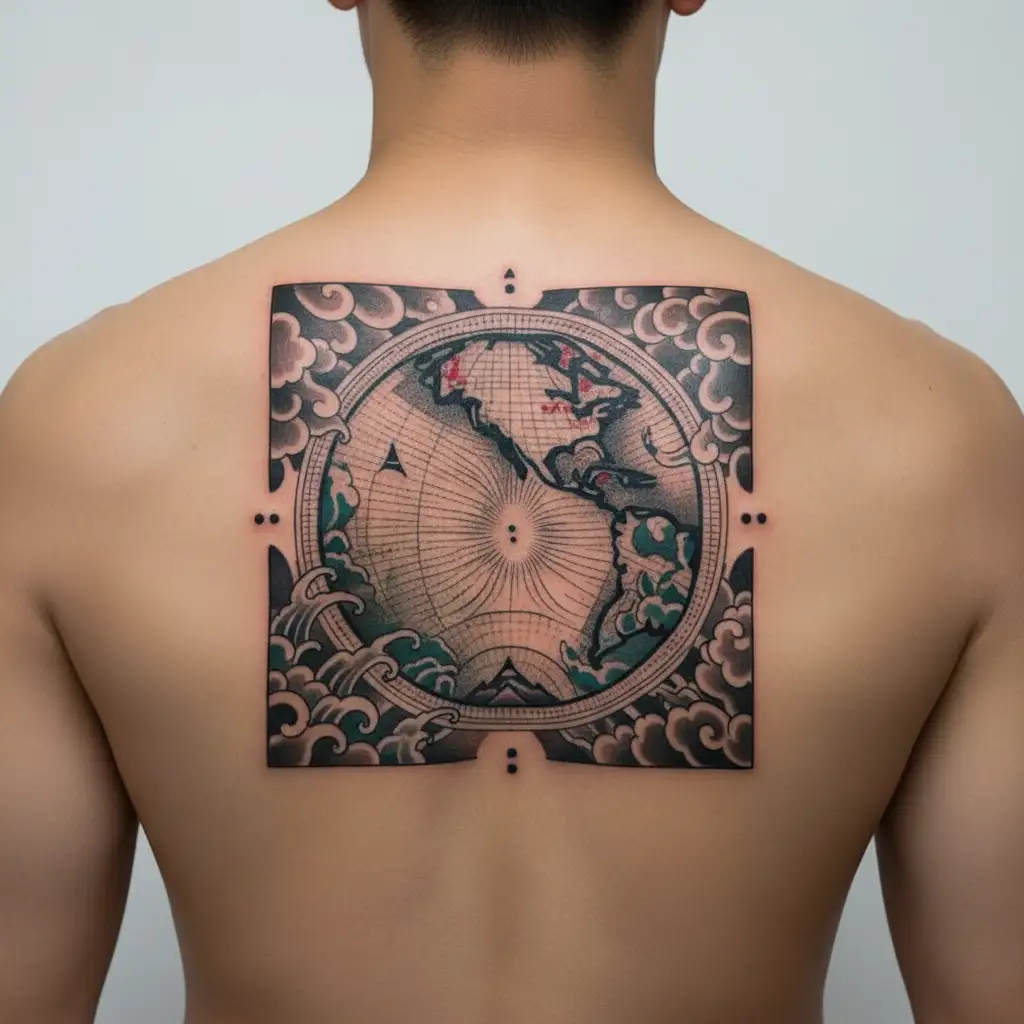
An Airplane Flying Over A World Map,...
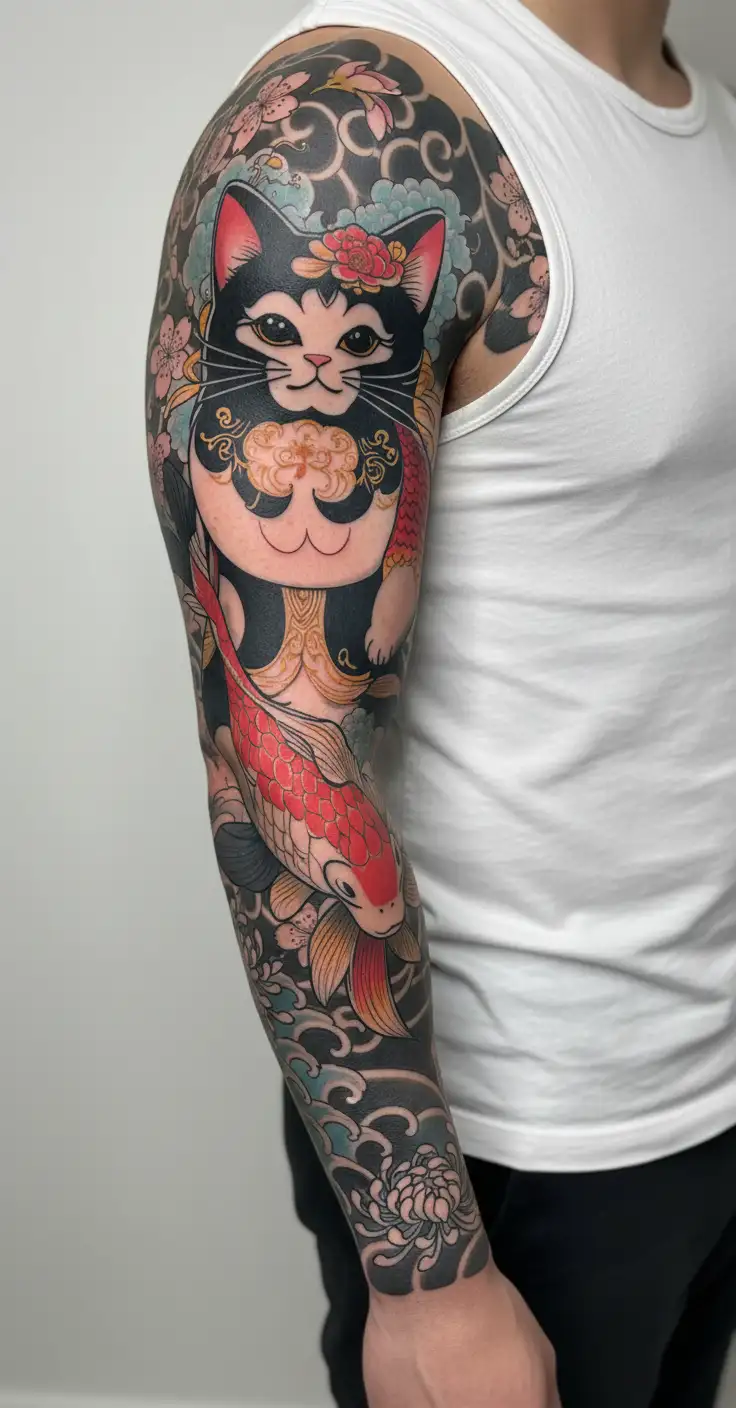
One Maneki Neko And One Koi Fish
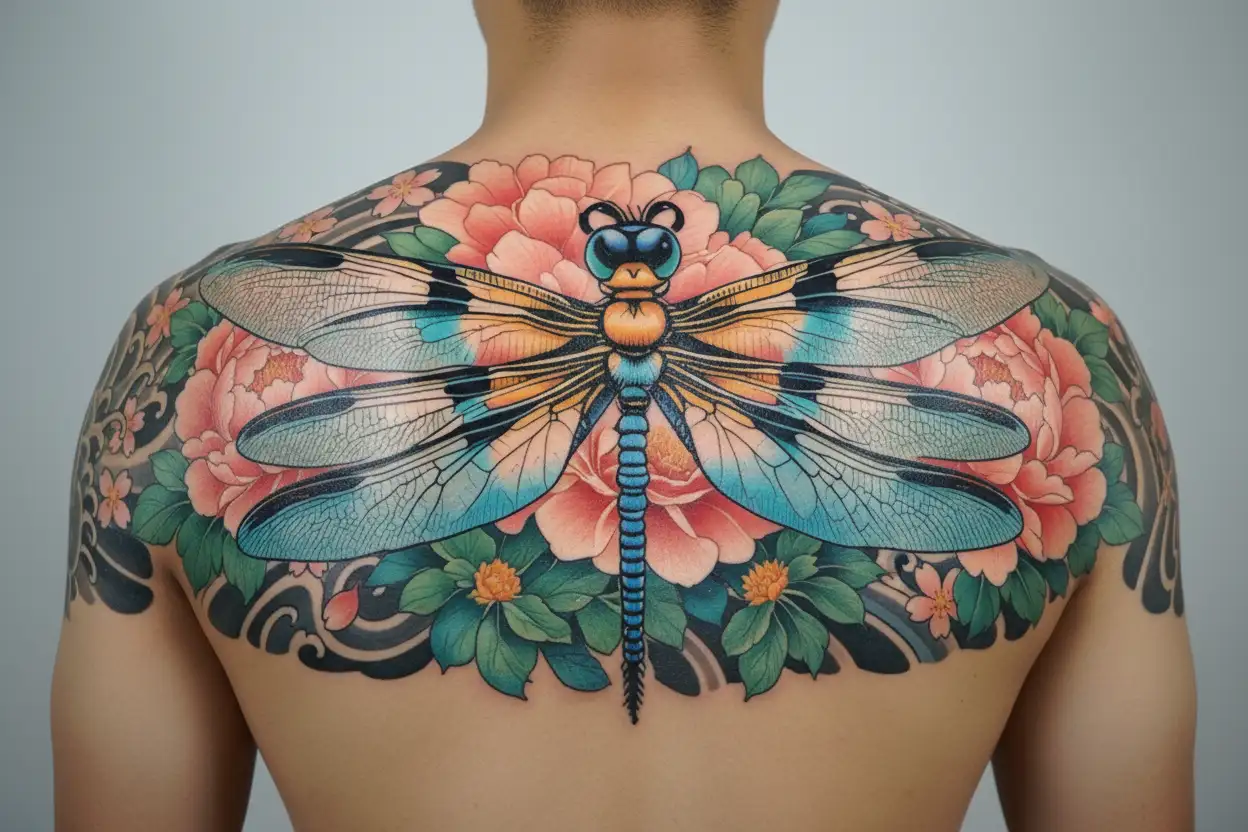
Dragonfly
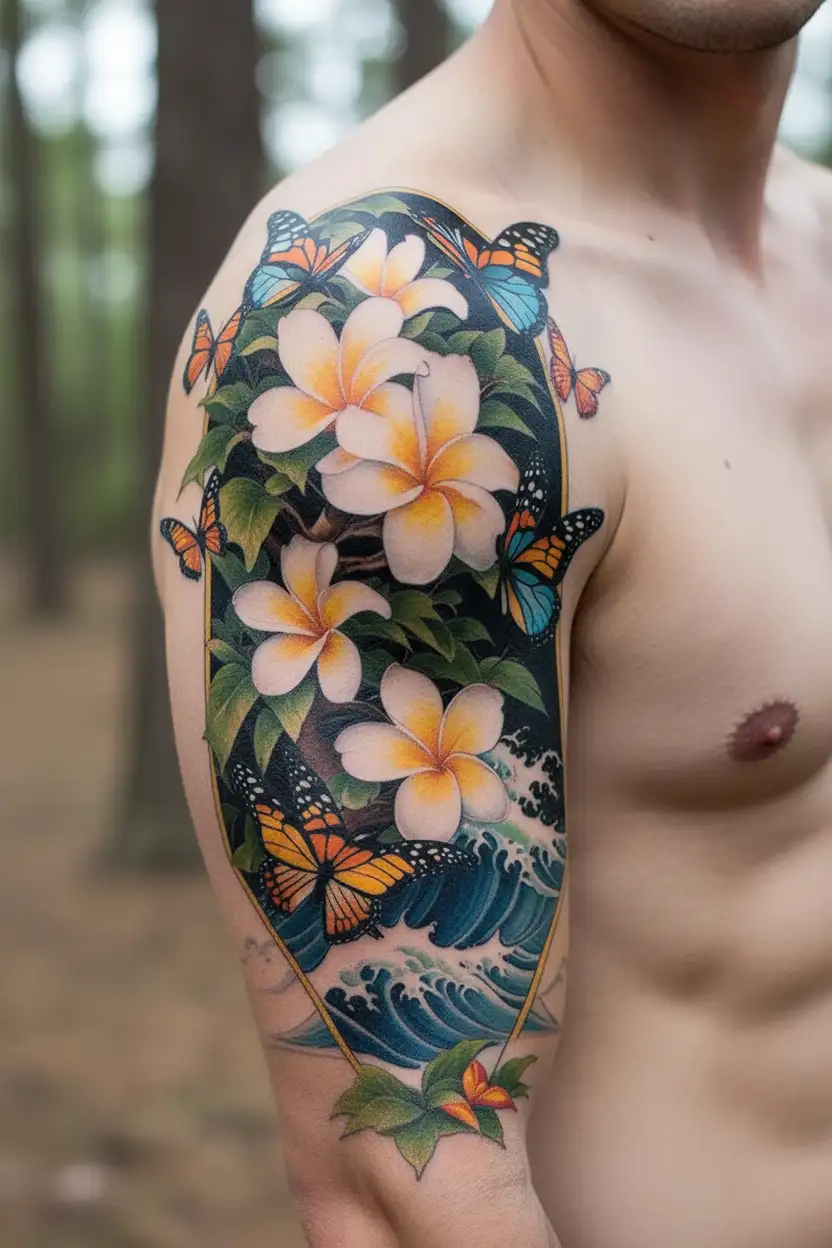
Butterflies Around A Frangipani Tree...
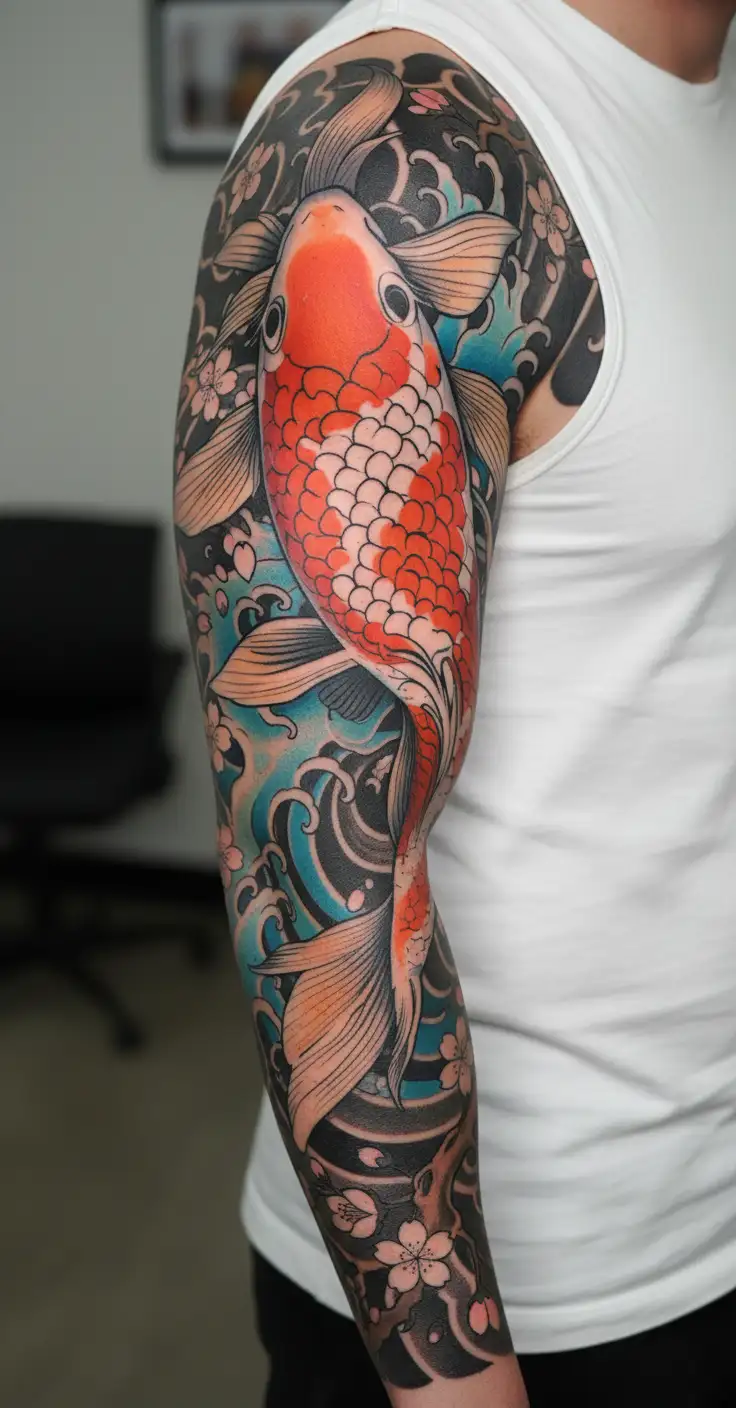
Koi Fish
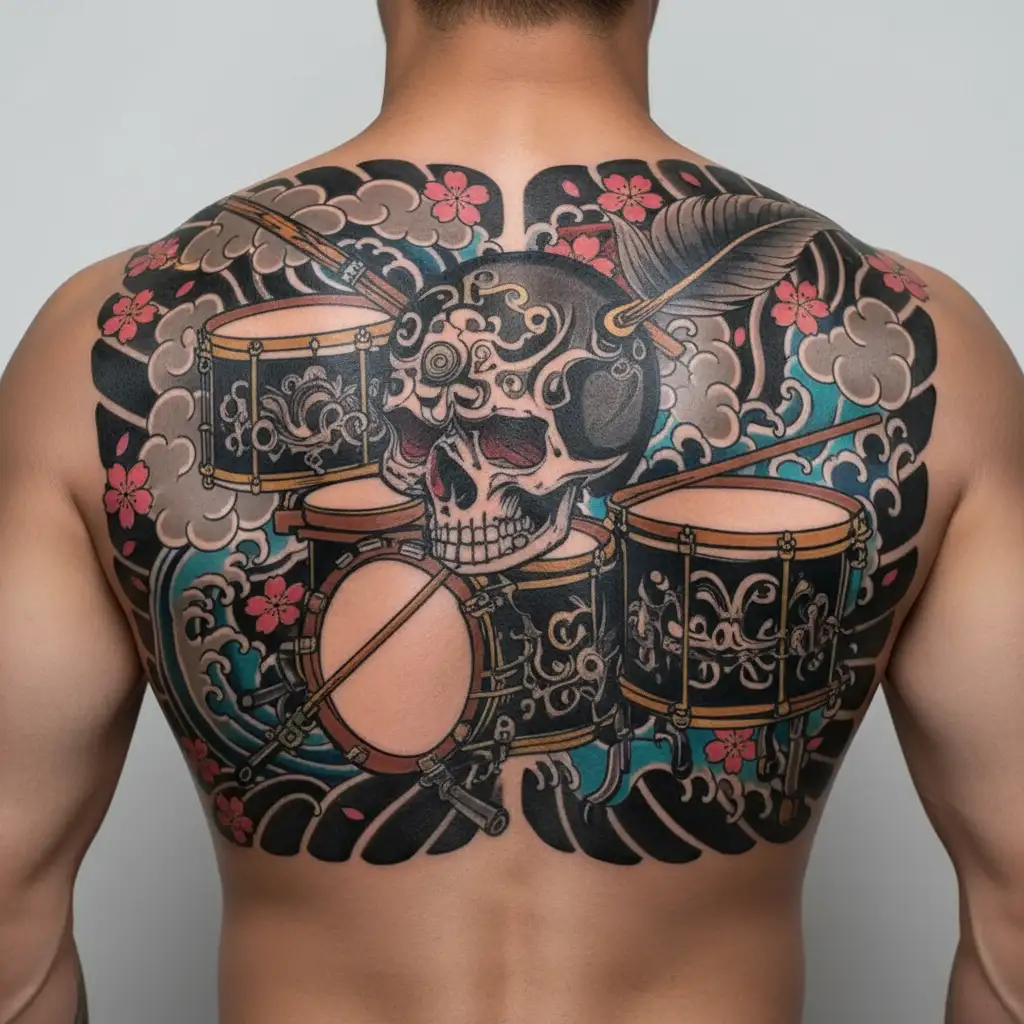
Skull And Snare Drum Set
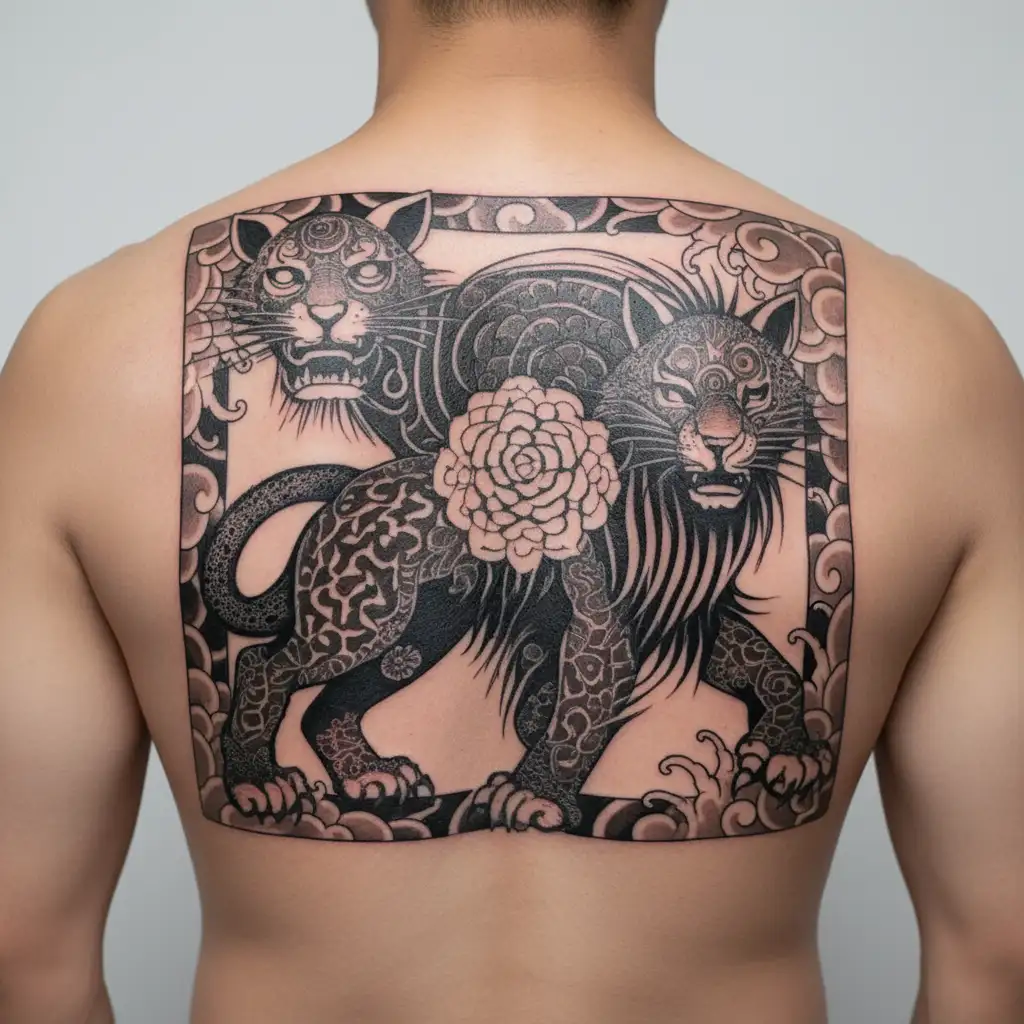
African Tattoo Protection Symbol
"Ju Ju" Shiva, Buddha, And Vishnu Dance...
Denver Broncos Logo
Samuri Wearing Straw Jingasa
Sacred Geometry,
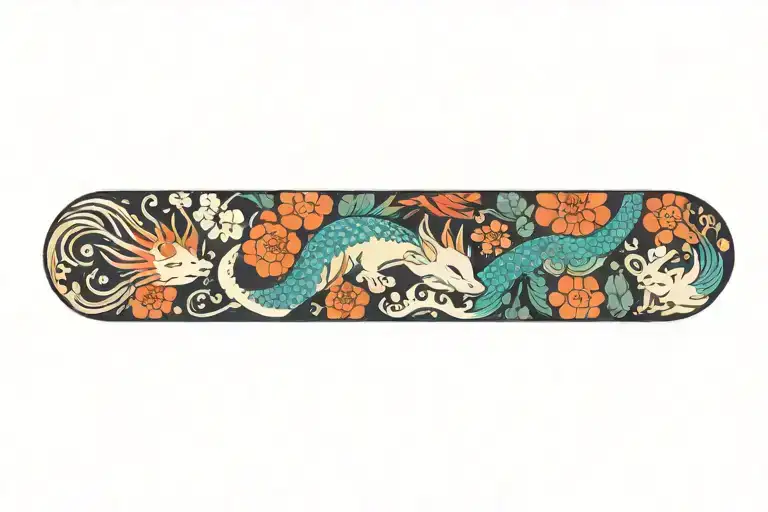
Kawaii Art Tattoo

Black With Red Accents Outline
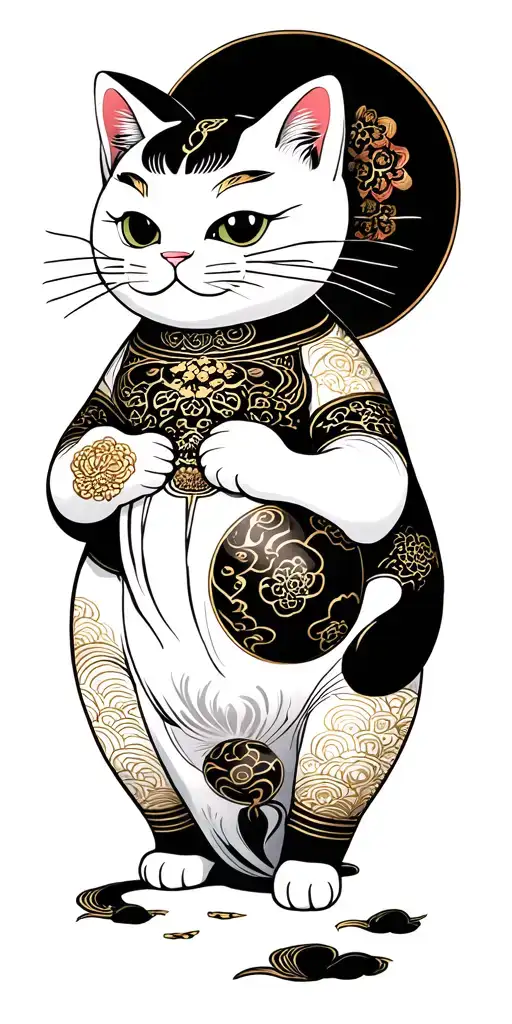
Planet And Maneki-neko

Anxiety
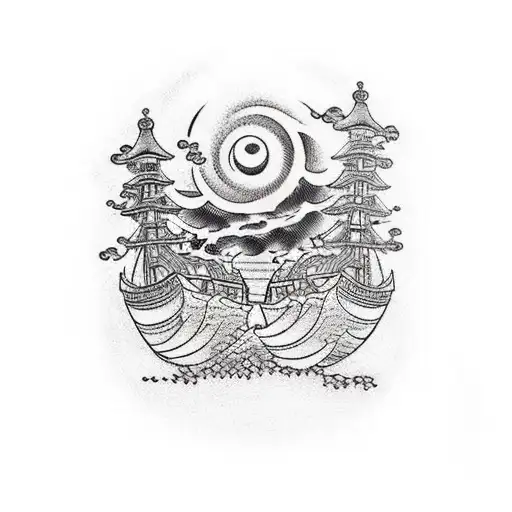
Who's Going To Carry The Boats

Black Eastern Dragon Wrapping Around...
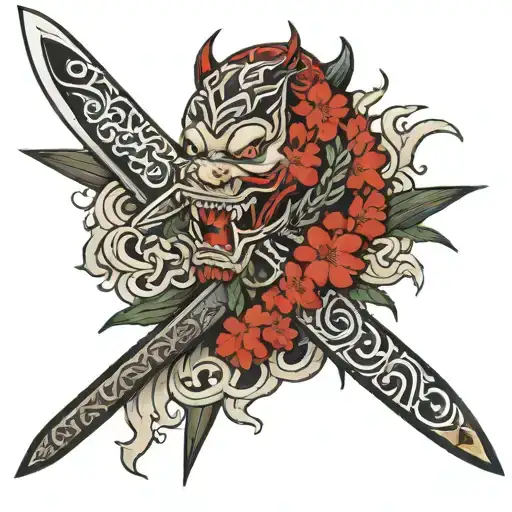
Knife Crossed
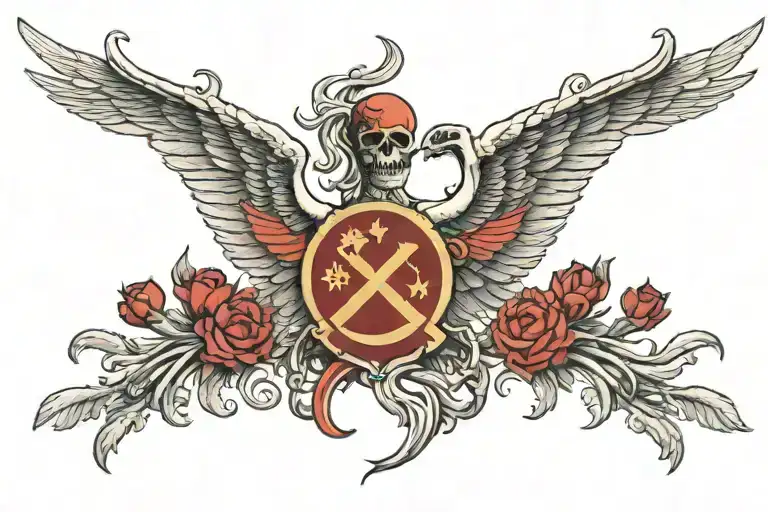
Soviet Flag Back Tattoo, Wings Grow...
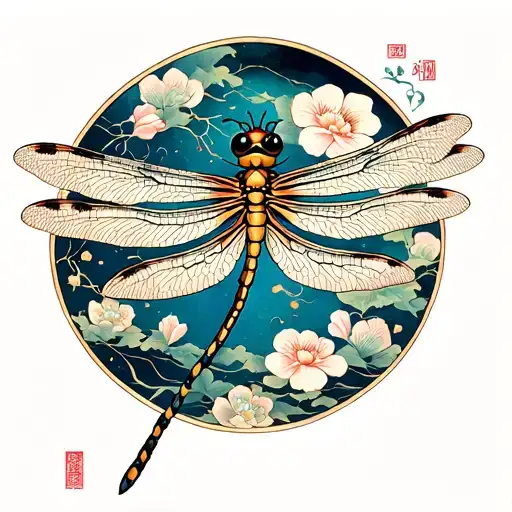
Dragonfly
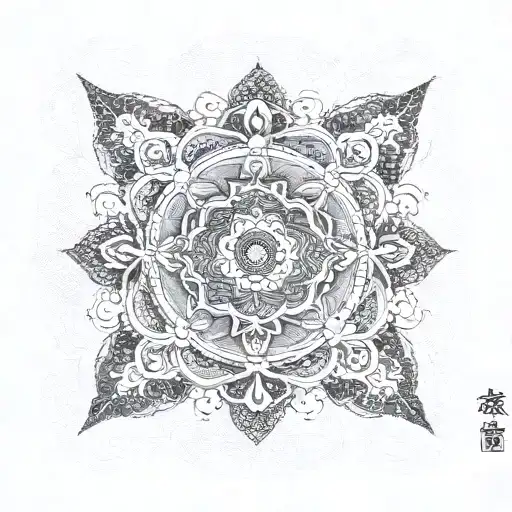
Mandala
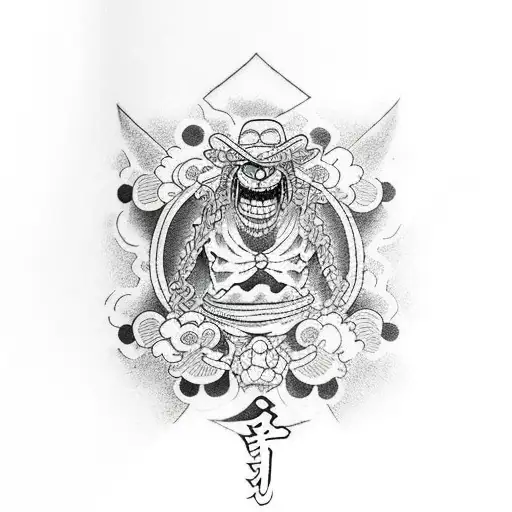
One Piece
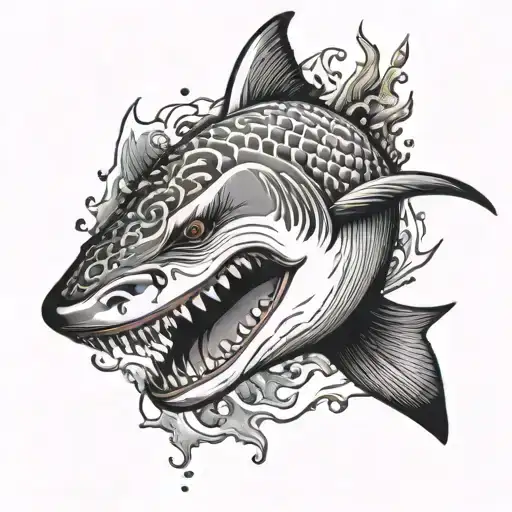
Shark

Chain And Weapon With Dagger And Crying

Rat-ninja In Kimano And Cold
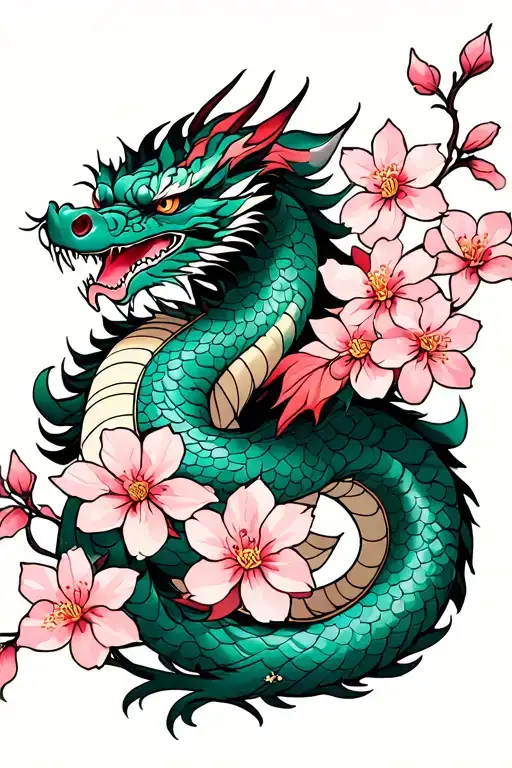
Cherry Blossoms With A Japanese Dragon...
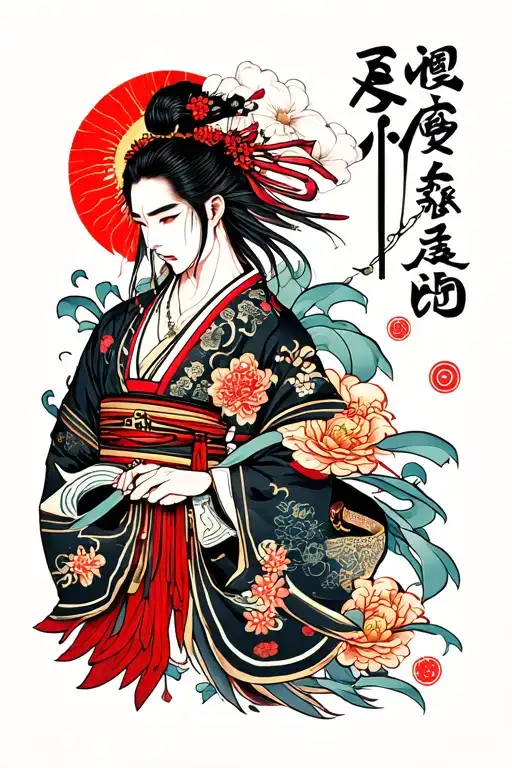
Yakuza Style Tattoo Inspired
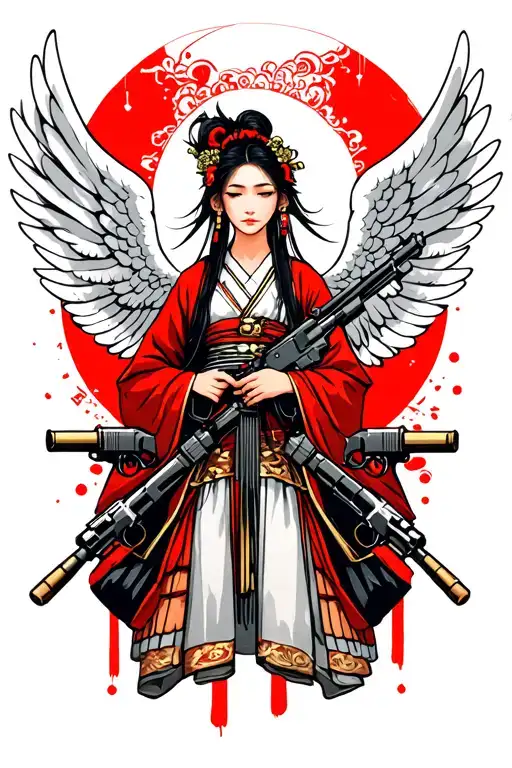
An Angel With Gun Barrels Instead Of...

Ring Logo
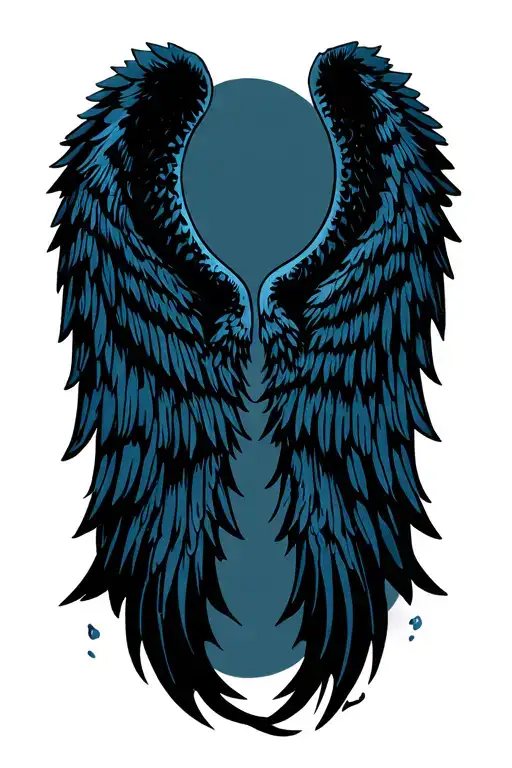
Angel Wings Only One Line

Sakura Trees In Bloom, With Petals In...
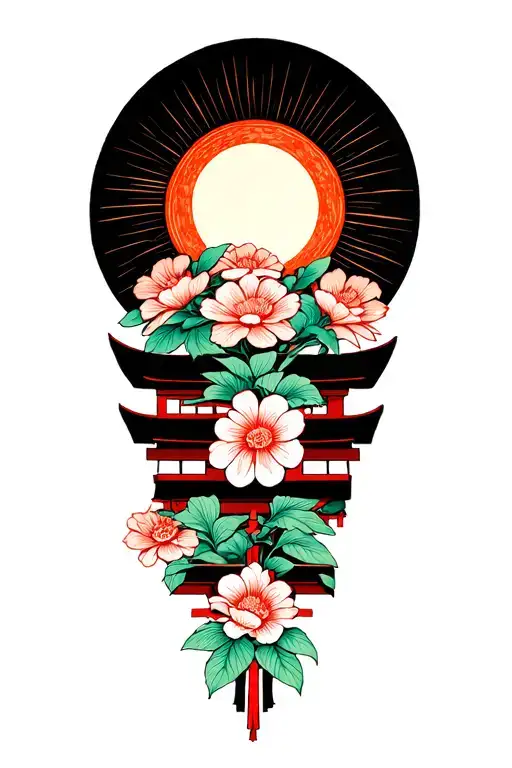
Japanese Sun, Shinto Shrine And Flowers...

Dragon And Wolf

The Logo For The Cyberpunk Edgerunners
"Cum Slut"
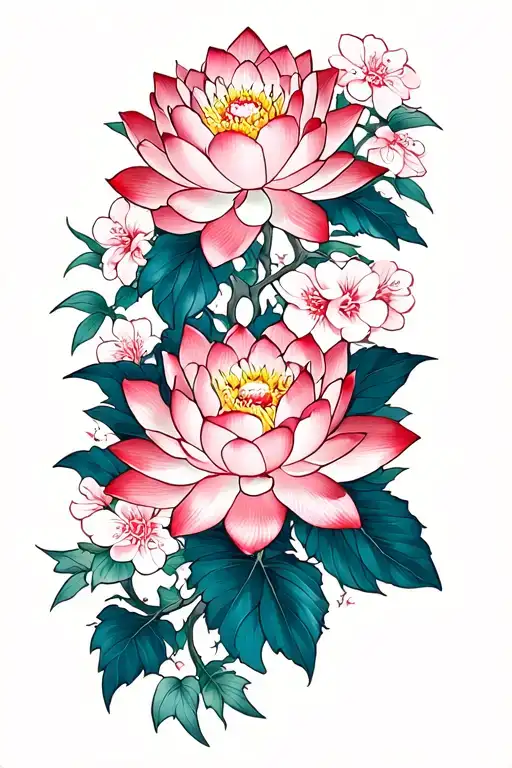
Peonies, Lotuses, And Cherry Blossoms...
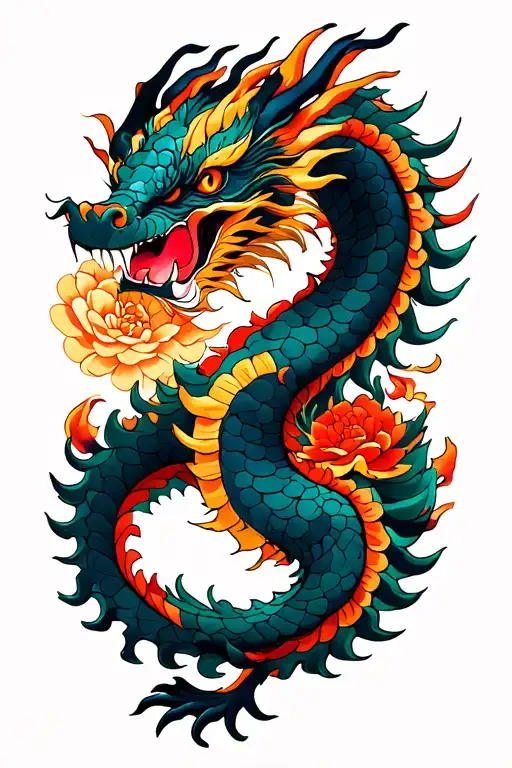
Gemini Dragon
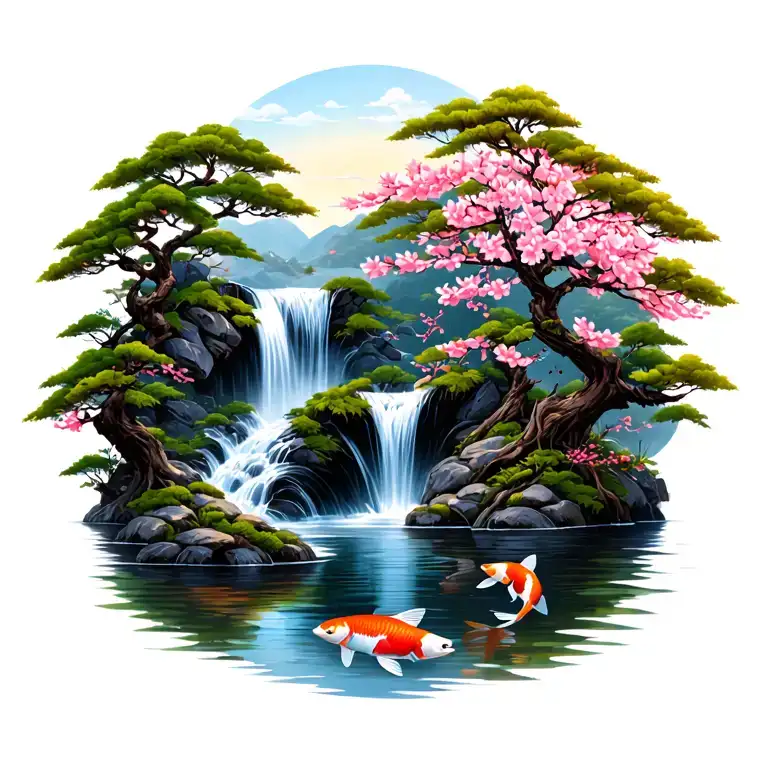
Cherry Blossom Tree On The Right Side...

Buddha Bodhi Tree Growing

Traditional Japanese Dragon Head...
Mechanical Jaguar
Moth And Ferns Mushrooms
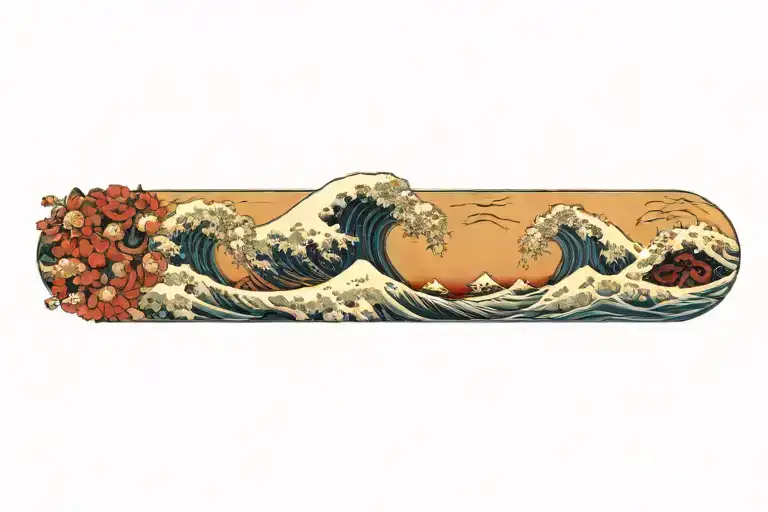
The Great Wave Off Kanagawa

#1 AI Tattoo App

BlackInk helps tattoo lovers create their own unique tattoos in seconds. Create tattoo designs for free.

© 2026 BlackInk AI, LLC
contact: info@blackink.ai