
22 Results
Filters
Gender
Placement
Style
22+ Dissociative Identity Disorder Tattoo Ideas
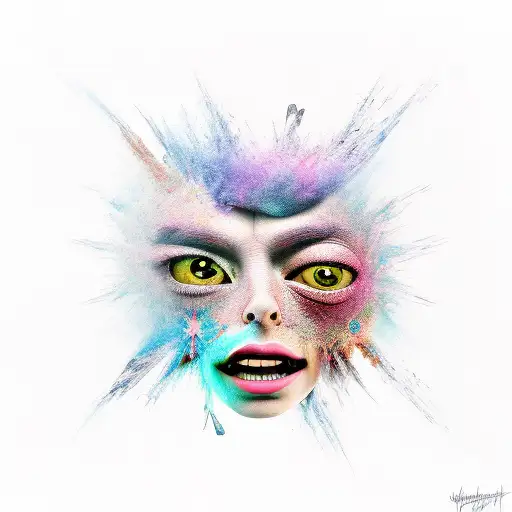
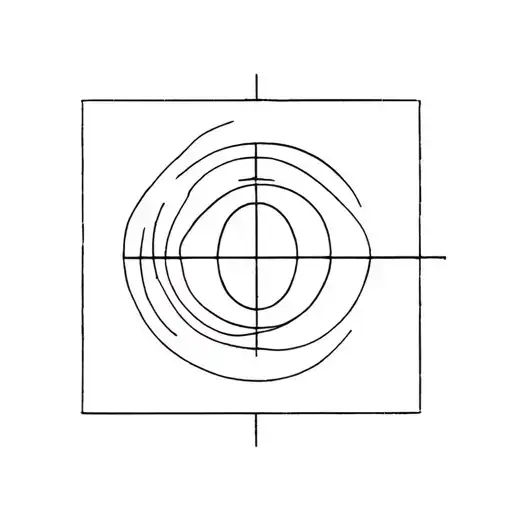
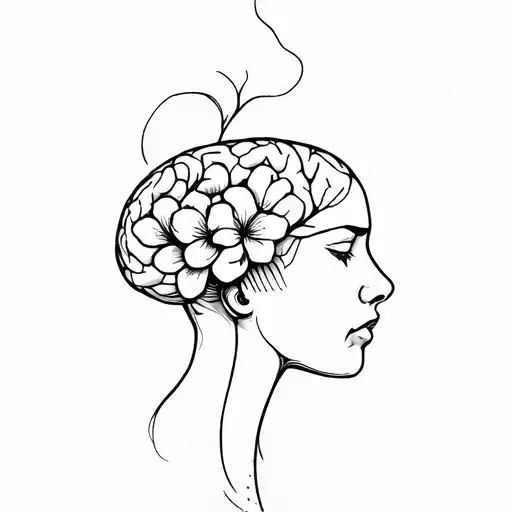
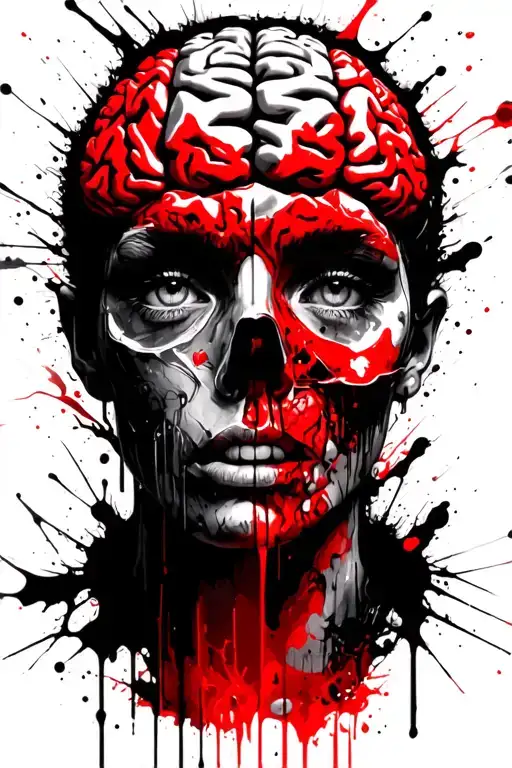
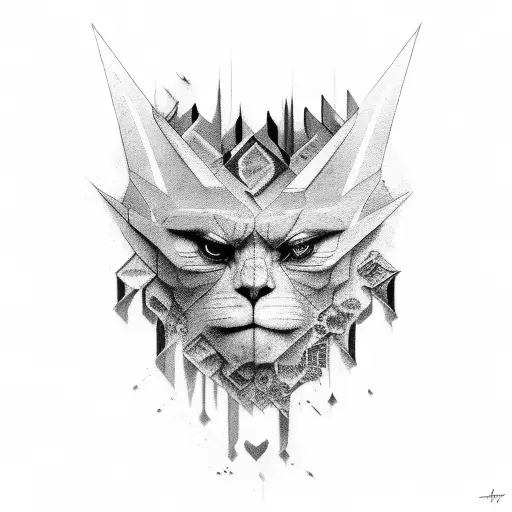
The concept of a Dissociative Identity Disorder tattoo idea often embodies the complexity of identity, mental health, and self-discovery, These tattoos can feature multiple portraits or masks, which symbolize the different identities or alters within a person, Original depictions may include elements like fragmented faces, different colored eyes, or swirling imagery that suggests a sense of disconnection and reconnection, representing the fluidity of identity in the journey of those who experience Dissociative Identity Disorder, These creative tattoo ideas offer not only an aesthetic experience but also serve to foster understanding and awareness about the condition, The historical background of using tattoos to represent psychological concepts dates back to ancient civilizations, where body art was often employed as a means of protection or to express inner struggles, In contemporary contexts, mental health awareness has catalyzed the emergence of tattoos that signify personal experiences, specifically around disorders such as Dissociative Identity Disorder, By etching these symbols onto skin, individuals reclaim their narratives, transforming personal histories into art that can evoke dialogue about mental health, The symbolism behind these tattoos is multifaceted and deeply personal, For many, a Dissociative Identity Disorder tattoo represents resilience, survival, and a quest for understanding one’s fragmented self, It reflects the journey of learning to integrate the various parts of one’s identity while combatting stigma, As an expression of inner strength, these tattoos can also symbolize hope and healing—recognizing that even amid chaos, one is still whole, In terms of artistic style, numerous tattoo styles lend themselves well to the representation of Dissociative Identity Disorder, Neo-traditional tattoos, with their bold colors and defined lines, can effectively convey the distinctiveness of individual identities within a cohesive design, In contrast, minimalist and sketch styles might offer a softer take, focusing on simplicity and raw emotion.
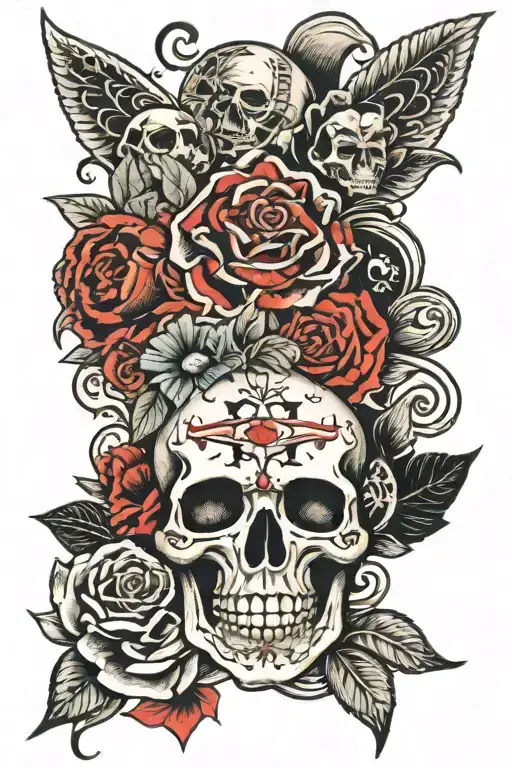
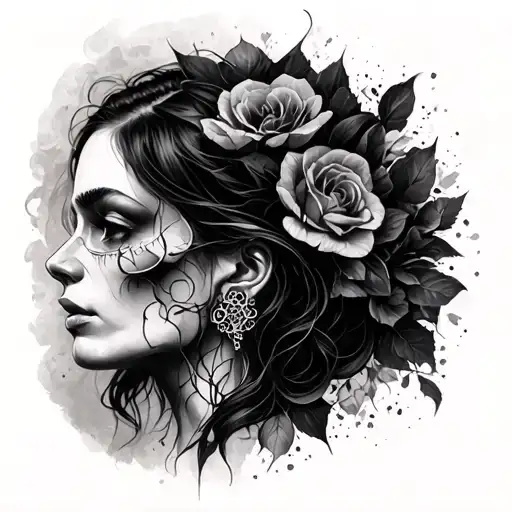
Blackwork or dotwork can represent the intensity of inner turmoil with intricate designs, while realism might evoke a striking representation of faces or emotions, These various styles provide many tattoo ideas that resonate with a wide audience and personal interpretations, When considering placement, areas such as the forearm, back, or thigh are particularly suitable for a Dissociative Identity Disorder tattoo idea, The forearm allows for visibility, promoting conversations about mental health awareness and encouraging others to engage with the subject matter, The back serves as a canvas for large, detailed pieces, showcasing the complexity of the design without limitation, Thigh tattoos provide a sense of intimacy and personal connection, as they are often more private yet, when revealed, can be powerful statements on identity, Variations of the Dissociative Identity Disorder tattoo idea are abundant and can be adjusted based on the wearer’s personal experiences, Tattoo artists might interpret the concept by incorporating floral elements as symbols of growth or butterflies to signify transformation and freedom, Customizations could also include intricate mandala patterns that represent unity and wholeness despite having multiple identities, or even combining imagery like a shattered glass effect, symbolizing both fragility and strength through healing, In conclusion, the landscape of Dissociative Identity Disorder tattoo ideas is rich with creativity, symbolism, and personal expression, As individuals navigate their identities and experiences, such tattoos become powerful embodiments of struggles, hopes, and the intricate psyche, bridging the gap between mental health awareness and artistic expression through tattooing.
Create Your Own Dissociative Identity Disorder Tattoo
Design your very personal Dissociative Identity Disorder tattoo in seconds. Choose your style and create unlimited full sleeves, half sleeves, forearm tattoos, and more.

Dissociative Identity Disorder
Dissociative Identity Disorder
Dissociative Identity Disorder
Dissociative Identity Disorder
Dissociative Identity Disorder
Dissociative Identity Disorder Brain...
Dissociative Identity Disorder Brain
Dissociative Identity Disorder

Dissociative Identity Disorder
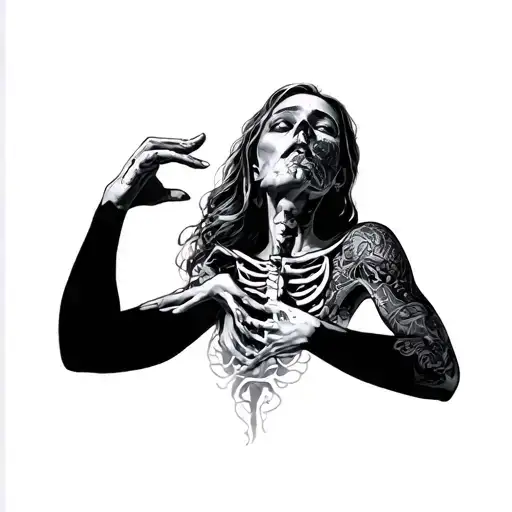
Dissociative Identity Disorder
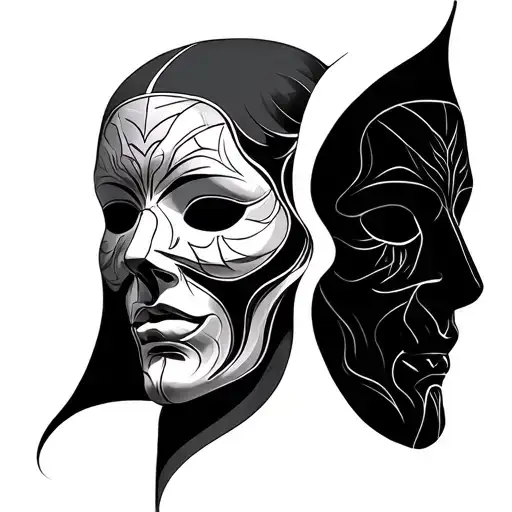
Dissociative Identity Disorder Masks...
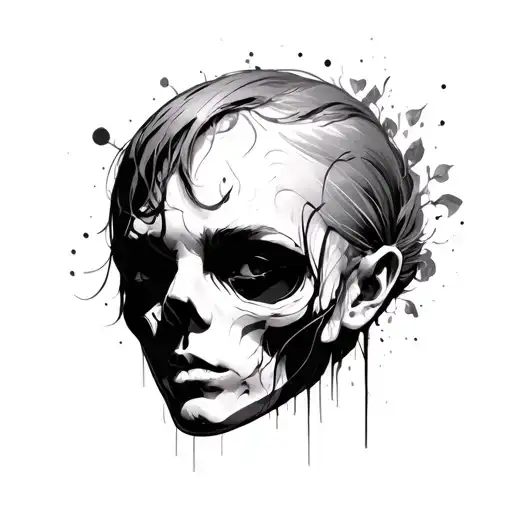
Dissociative Identity Disorder
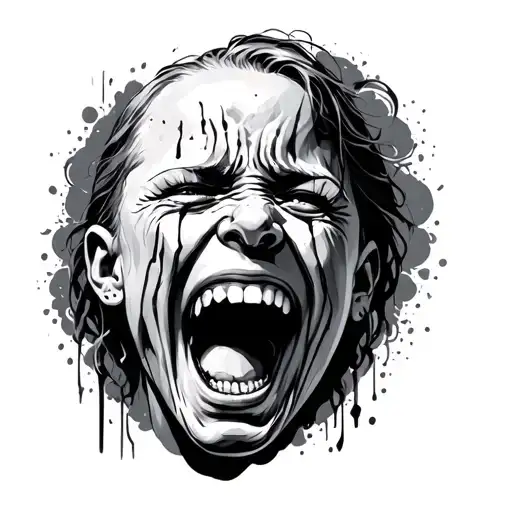
Dissociative Identity Disorder Laughing...
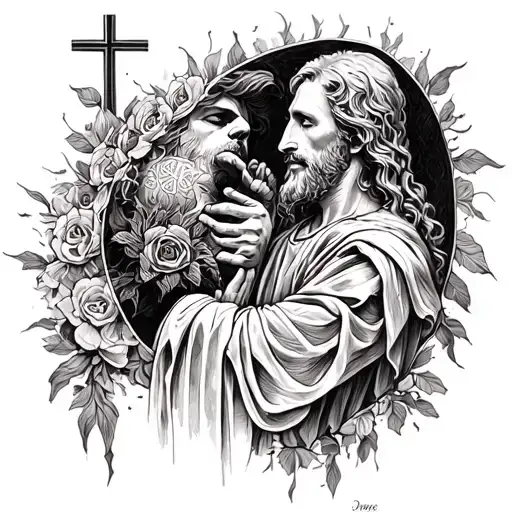
Dissociative Identity Disorder Healed...
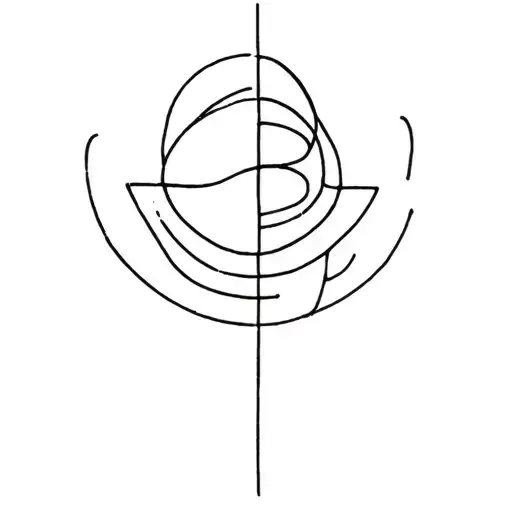
Dissociative Identity Disorder Christian
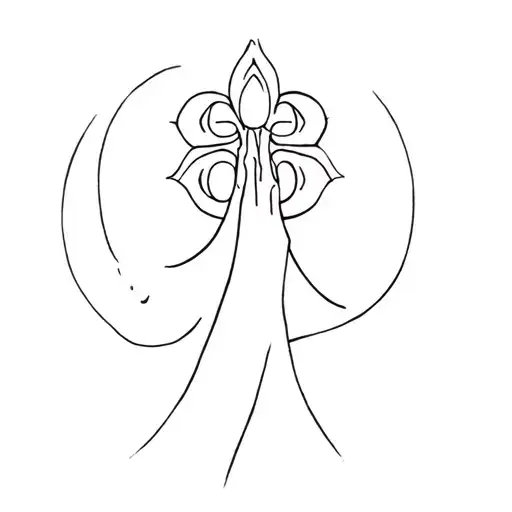
Dissociative Identity Disorder Healed...
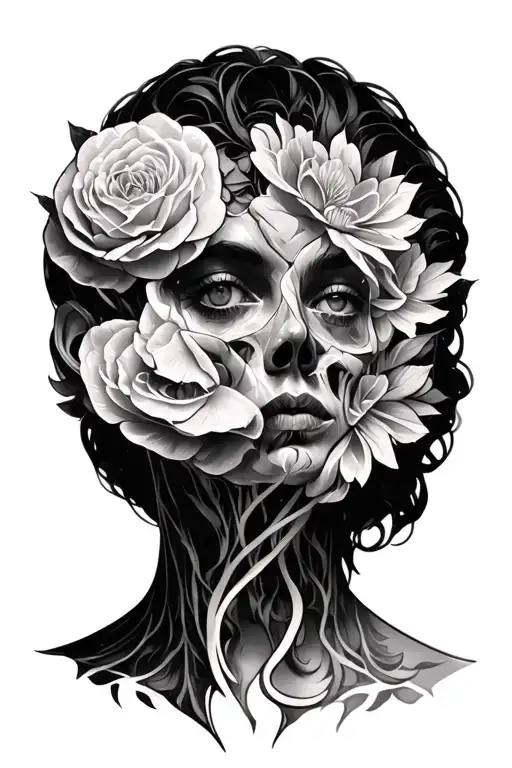
Dissociative Identity Disorder
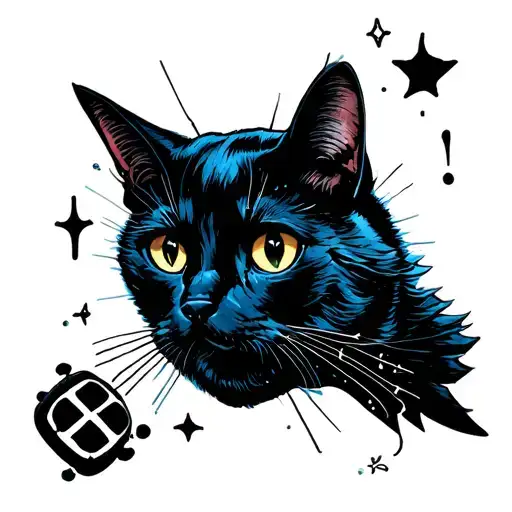
Dissociative Identity Disorder
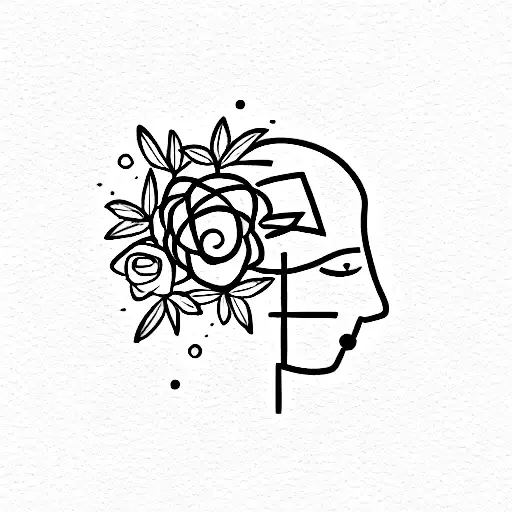
Dissociative Identity Disorder Brain...
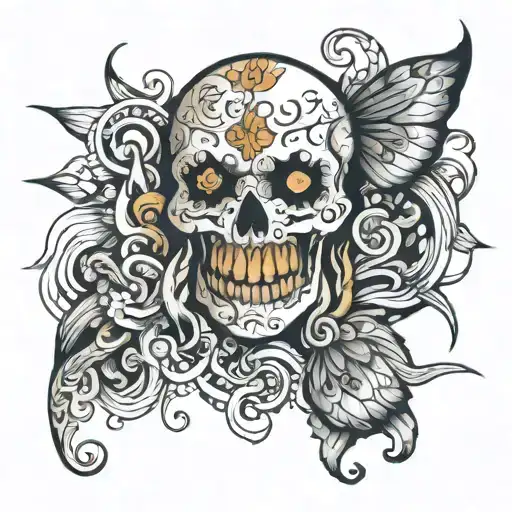
Dissociative Identity Disorder Awareness
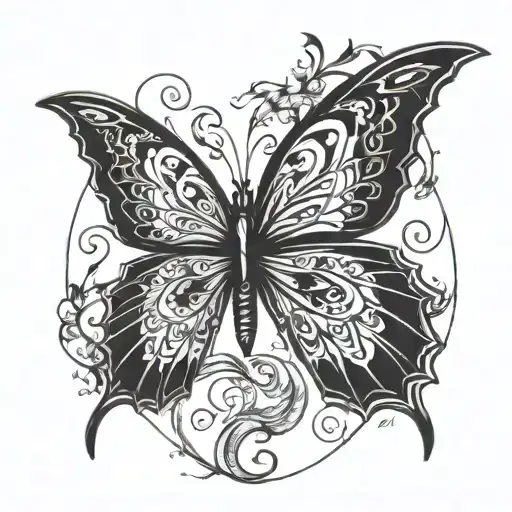
Dissociative Identity Disorder Awareness
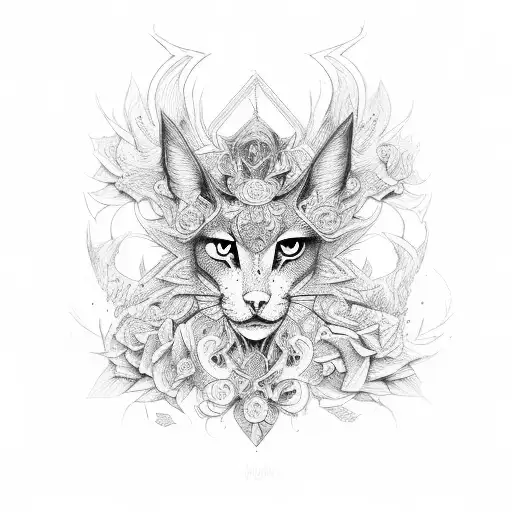
Dissociative Identity Disorder
Category:

#1 AI Tattoo App

BlackInk helps tattoo lovers create their own unique tattoos in seconds. Create tattoo designs for free.

© 2026 BlackInk AI, LLC
contact: info@blackink.ai